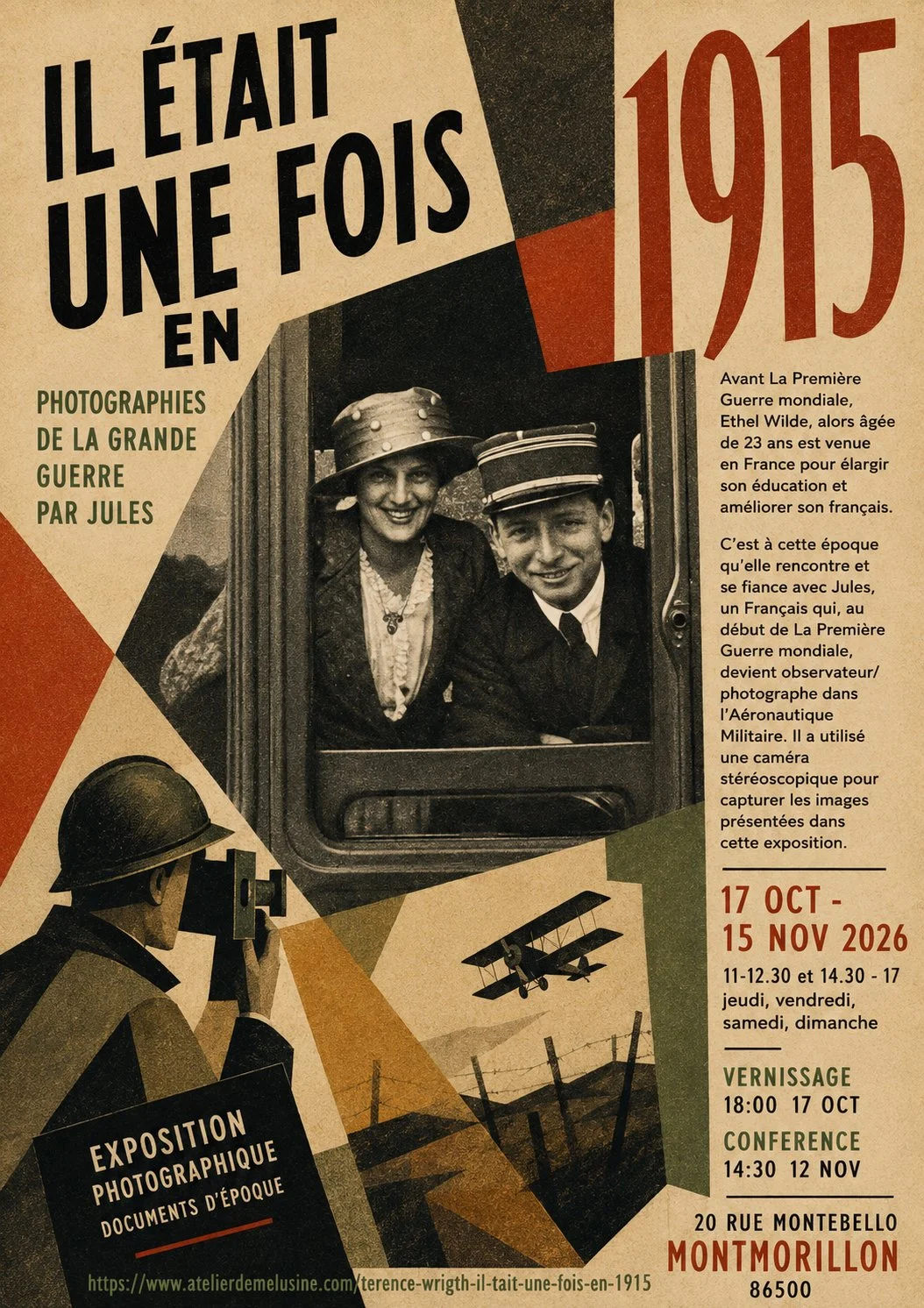
TERENCE WRIGHT
Il Etait une fois en 1915
Octobre 17 - Novembre 15
Vernissage Vendredi 17 Octobre 18.00
Terence Wright
www.terence-wright.com
Il était une fois en 1915.
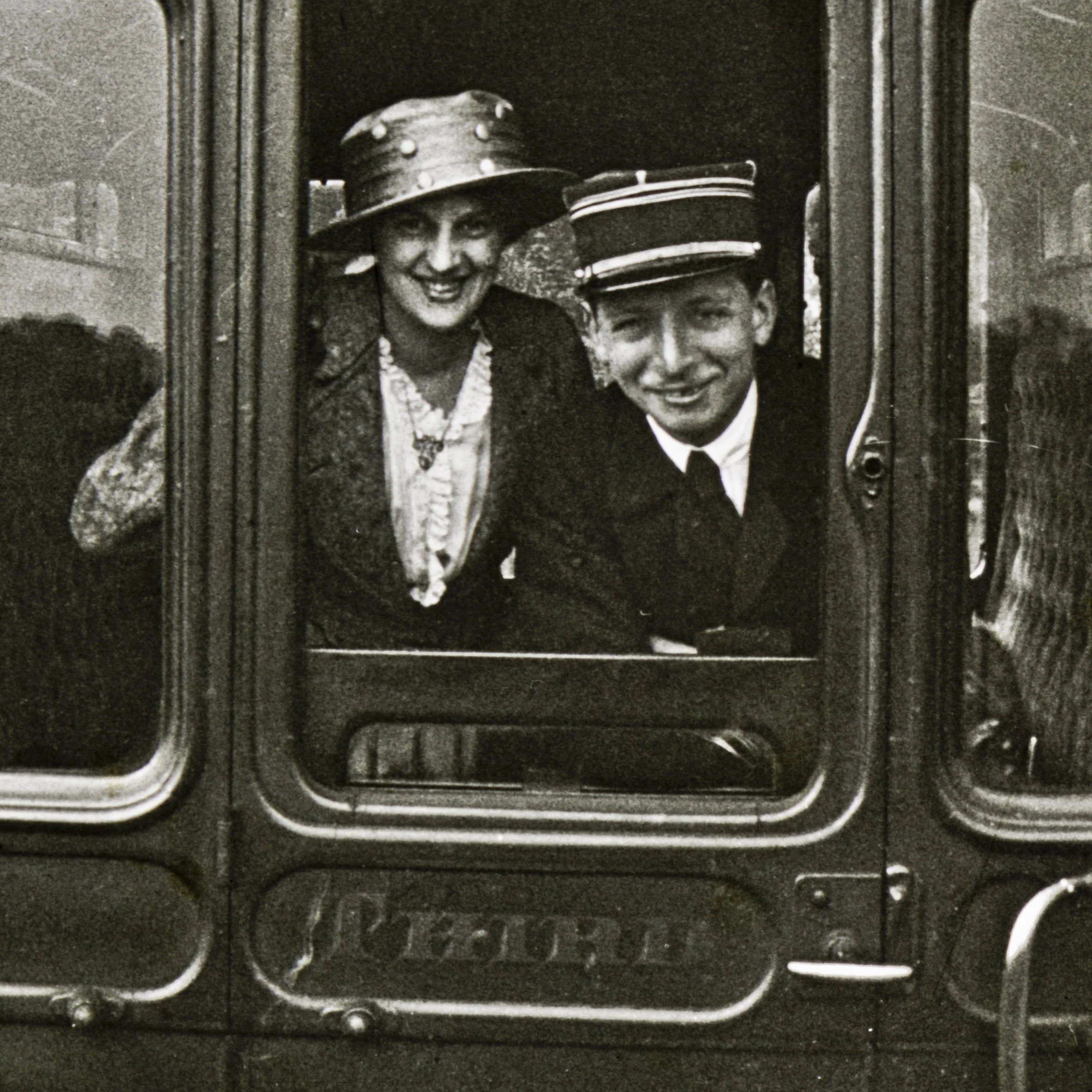
Mamie & Jules
Terence Wright, petit-fils d’Ethel.
Avant La Première Guerre mondiale, Ethel Wilde, alors âgée de 23 ans est venue en France pour élargir son éducation et améliorer son français.
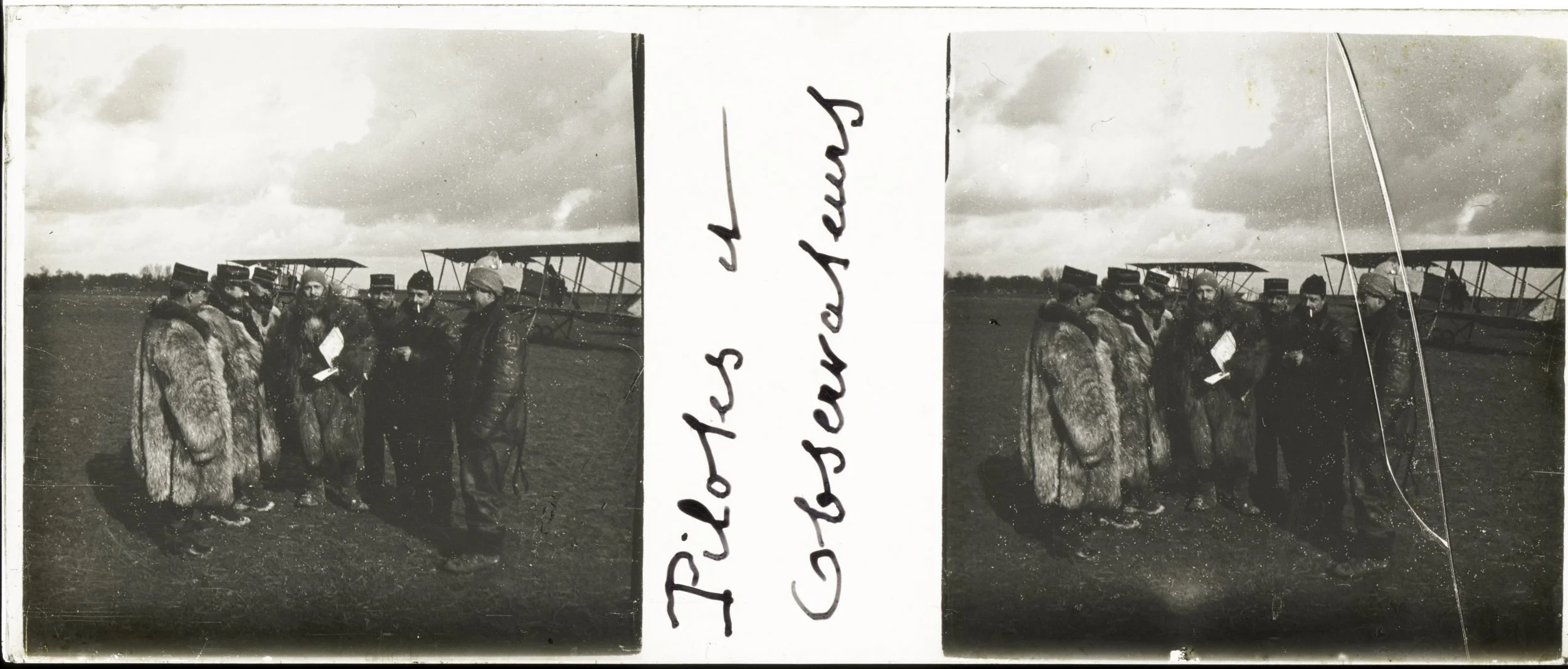
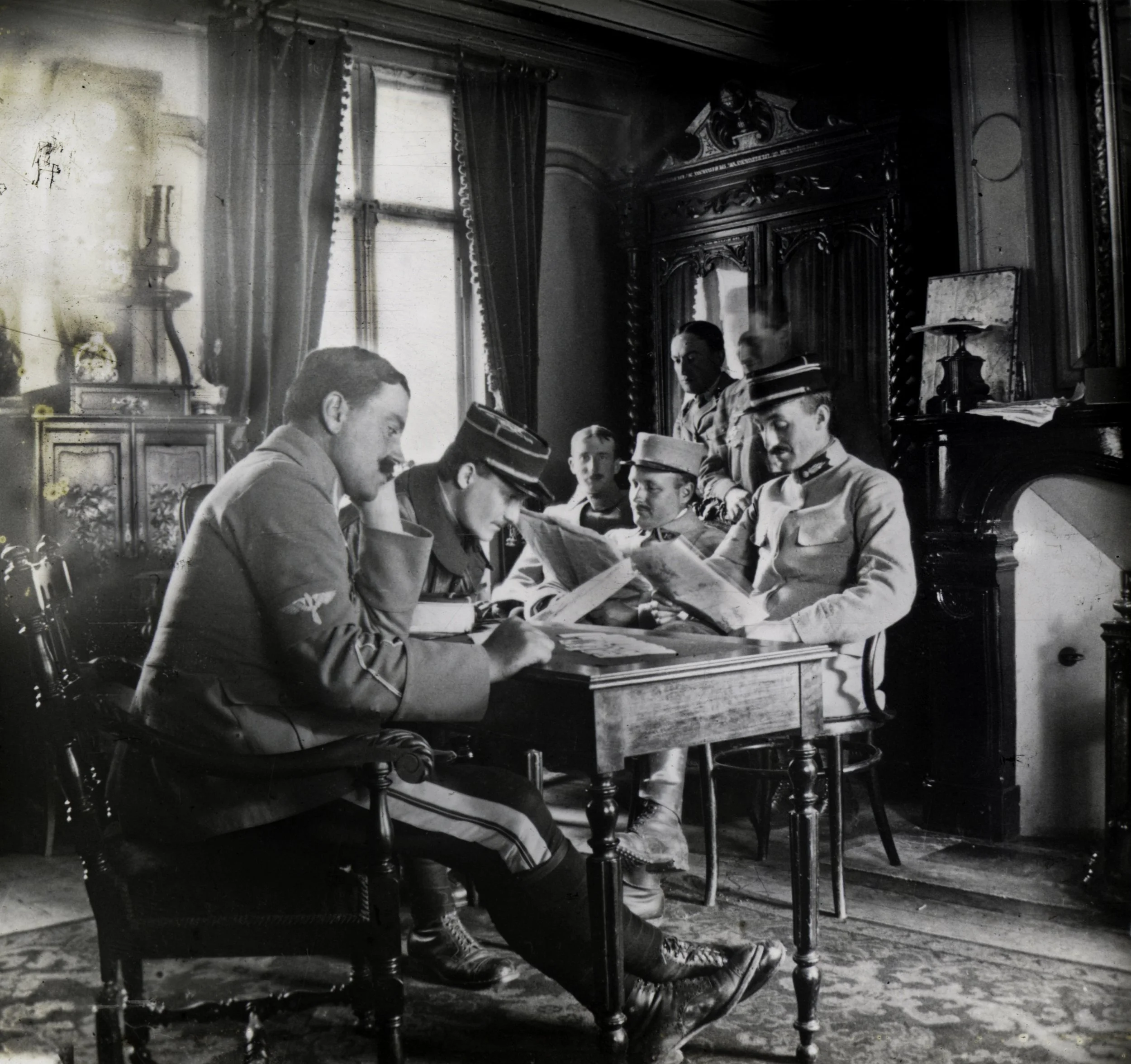
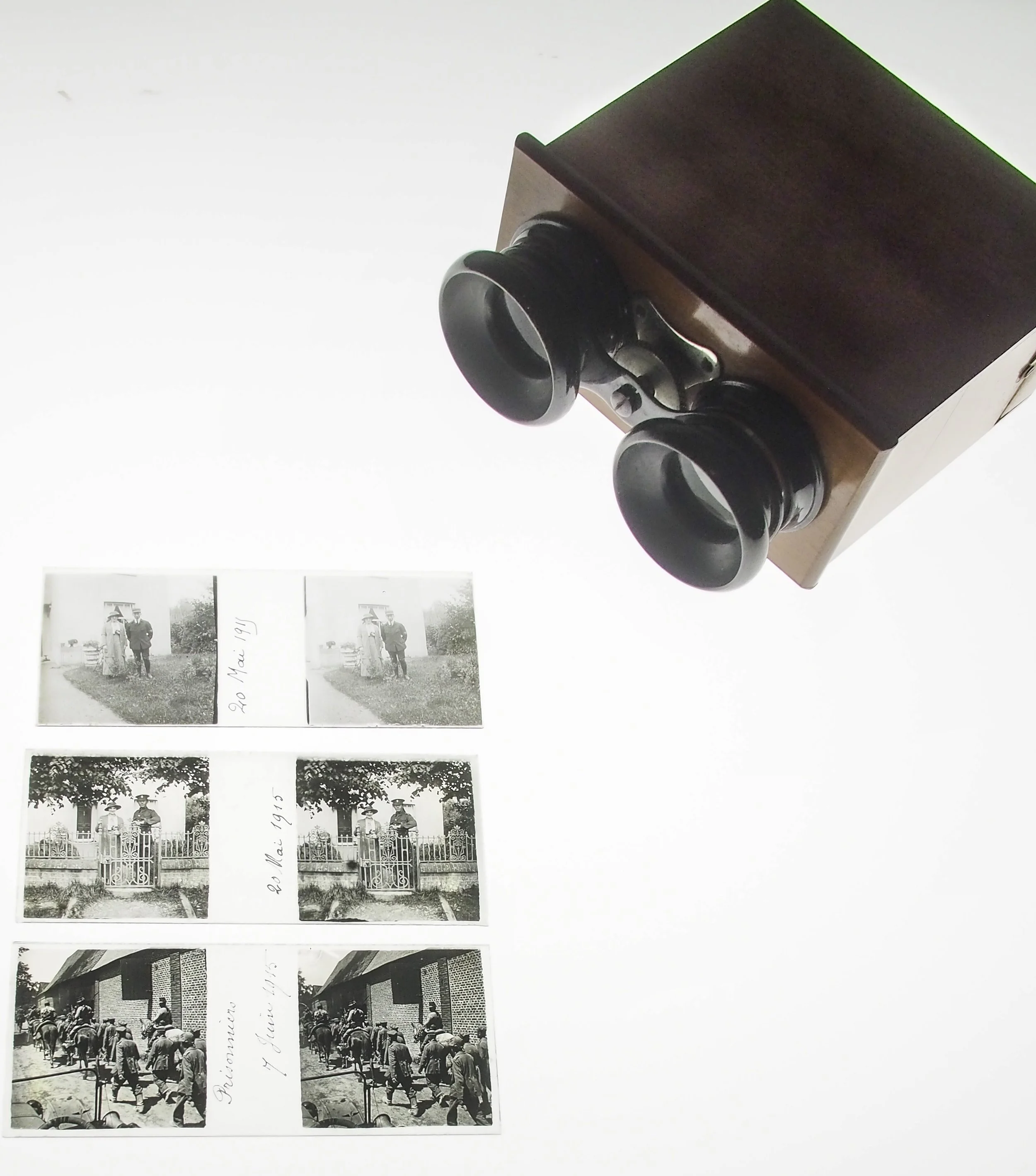
C'est à cette époque qu'elle rencontre et se fiance avec Jules, un Français qui, au début de La Première Guerre mondiale, devient observateur/photographe dans l’Aéronautique Militaire. Il a utilisé une caméra stéréoscopique pour capturer les images présentées dans cette exposition.
Ethel rentra chez elle au début de la guerre et, en 1915, Jules vint rendre visite à la famille à Kintbury, en Angleterre. Là-bas, il a pris quelques photos de famille et, à son retour en France, il a envoyé à Ethel les diapositives sur plaque de verre ainsi que des images de sa vie et de ses camarades combattant pendant la guerre.
On ne sait pas ce qui est arrivé à Jules après août 1915 et on ne connaît pas son nom de famille. Cependant, lorsqu’ Ethel épousa Fredrick Viner en 1918, les diapositives stéréoscopiques restèrent un bien précieux et furent transmises à Terence après la mort de sa grand-mère.
Le Bombardement de Saint Quentin en 1915
http://blogs.ac-amiens.fr/saintquentin1418
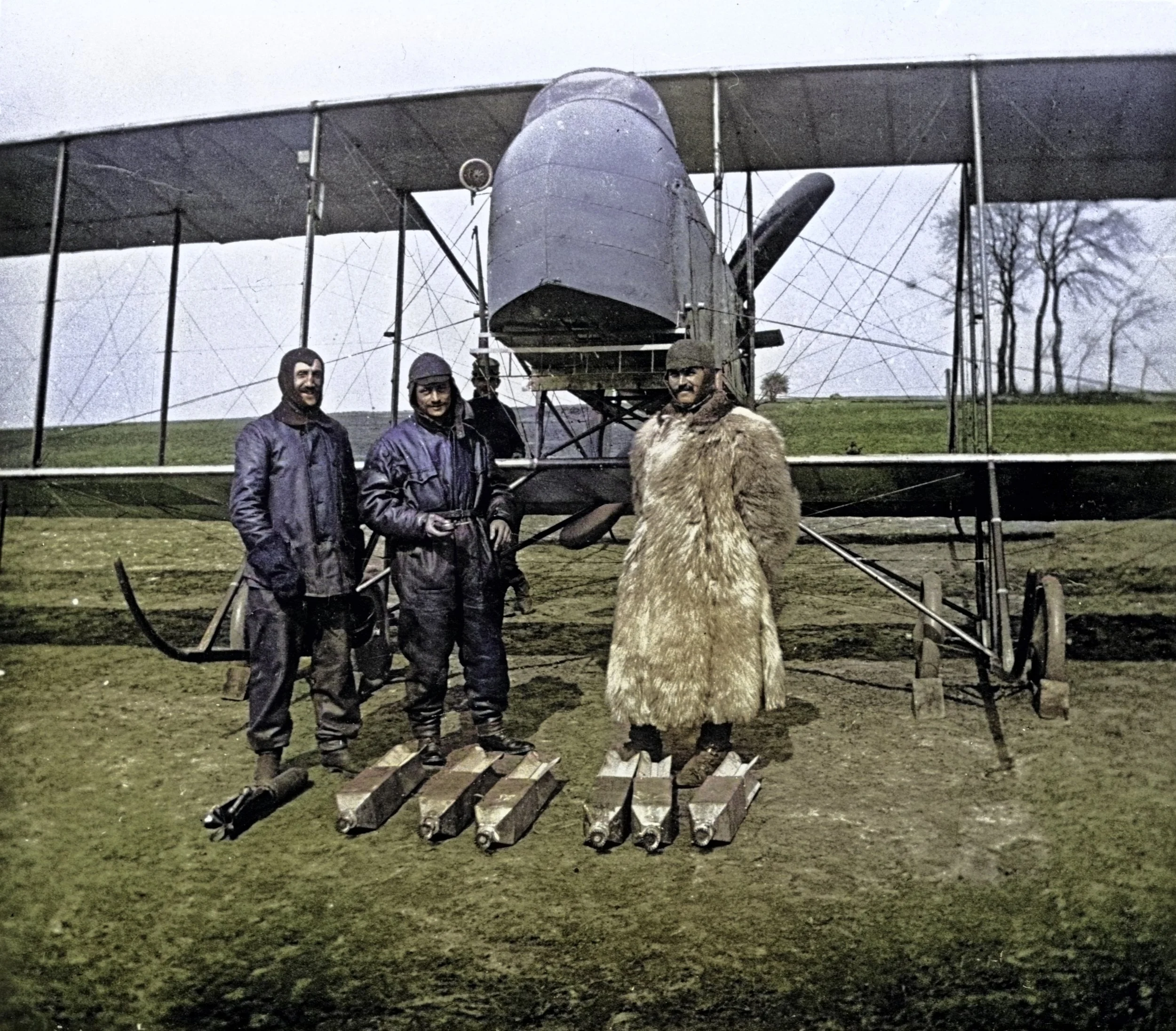
Trois avions français survolent Saint-Quentin le 15 avril 1915 à 15h20, ils cherchent principalement à toucher la gare ainsi que les ateliers de Mesmay qui est un immense dépôt d'automobiles en réparation.
Selon Elie Fleury, la réaction des Français est enthousiaste : "Un cri avait jailli : "Des nouvelles de France !" et aux fenêtres, aux portes, sur le pavé, ce fut comme une floraison subite de visages extasiés aux yeux humides, aux lèvres retrouvant le sourire perdu depuis longtemps.”
Cette attitude contraste avec celle des Allemands que Fleury décrit dans un premier temps comme saisis de panique : "Le sourire est un délit, un geste n'est pas loin d'être un crime. Pour avoir envoyé un baiser à l'aviateur inconnu, une jeune fille fut gratifiée de trois jours de prison.”
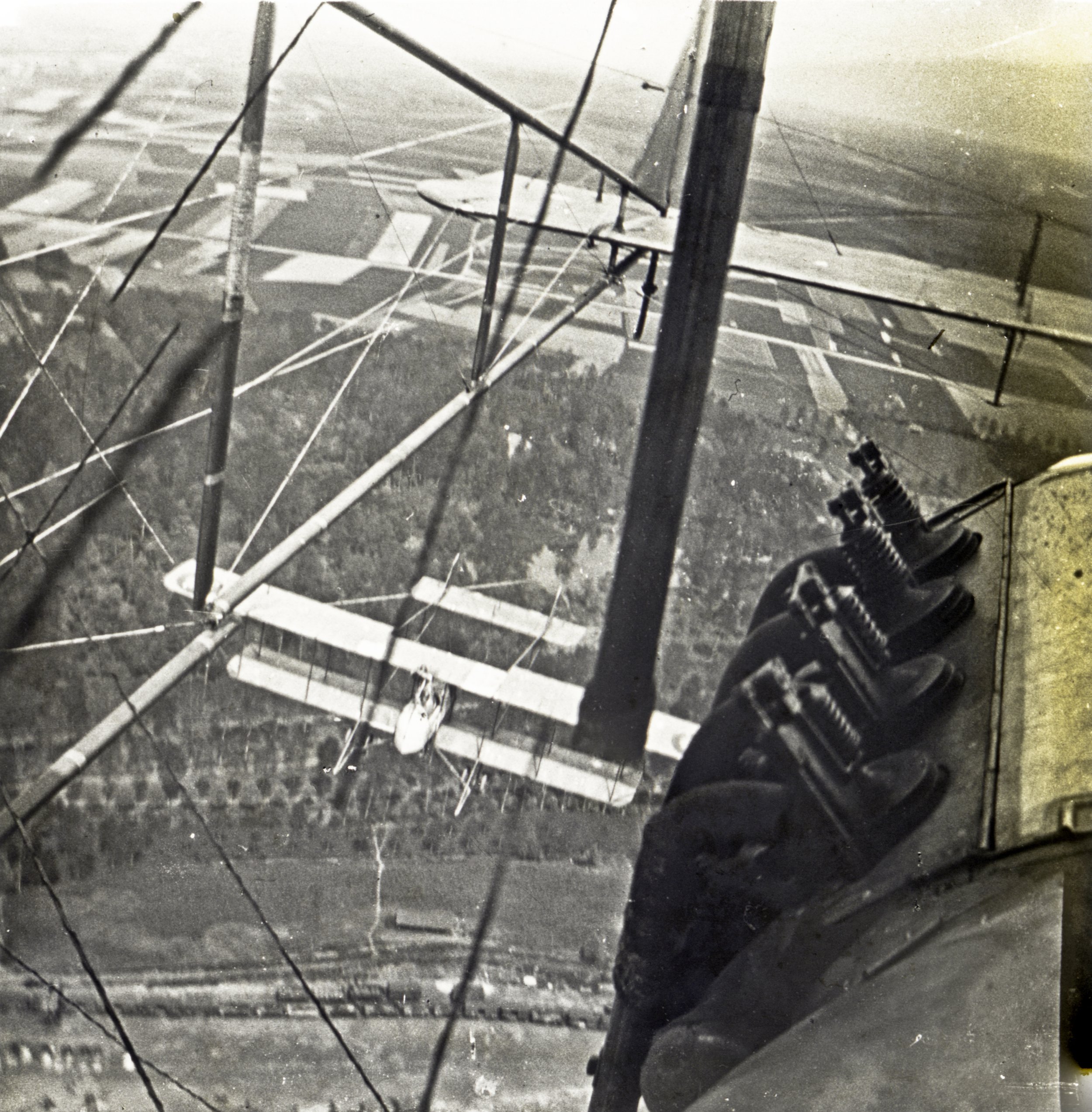
Caudron G.3
Le Caudron G.3 a été conçu par René et Gaston Caudron, il a volé pour la première fois en mai 1914. Il a été largement utilisé pendant La Première Guerre mondiale et a équipé l'Escadrille C.11 de l'Aéronautique Militaire française au début de la guerre. Il était bien adapté à une utilisation en reconnaissance et à l'entraînement, se révélant stable et offrant une bonne visibilité.
Habituellement, le G.3 n'était pas armé, même si parfois des mitrailleuses légères et de petites bombes étaient installées.
Les usines Caudron en ont construit 1 423 sur les 2 450 construites en France. Les frères Caudron n'ont pas facturé de frais de licence pour le design, par acte de patriotisme.
Once upon a time in 1915.
Terence Wright, grandson of Ethel.
Before the First World War, Ethel Wilde, then 23 years old came to France to broaden her education and improve her French.
During this time she met and became engaged to be married to Jules, a Frenchman, who at the commencement of the First World War became an Observer/Photographer in the French Air Service. He used a stereoscopic camera to capture the images presented in this exhibition.
Ethel returned home at the outbreak of the war and in 1915 Jules came to visit the family in Kintbury, England. Whilst there he took some family photographs and when he returned to France he sent Ethel the glass plate slides along with images of his life and comrades fighting in the war.
We don’t know what happened to Jules after August 1915 and we don’t know his surname. However, when Ethel married Fredrick Viner in 1918 the stereoscopic slides remained a treasured possession and were passed to Terence after his grandmother died.
The Bombardment of Saint Quentin in 1915
http://blogs.ac-amiens.fr/saintquentin1418
Three French planes flew over Saint-Quentin on April 15, 1915 at 3:20pm, they mainly sought to hit the station as well as the Mesmay workshops; a huge depot for automobiles under repair.
According to Elie Fleury, the reaction of the French was enthusiastic: "A cry arose: 'News from France!' and at the windows, at the doors, on the pavement, it was like a sudden flowering of ecstatic faces with moist eyes, lips finding the long-lost smile again."
This attitude contrasts with that of the Germans, whom Fleury initially describes as panic-stricken: "Smiling is a crime, a gesture is not far from being a crime. For having sent a kiss to the aviator unknown, a young girl was given three days in prison.”
Caudron G.3
The Caudron G.3 was designed by René and Gaston Caudron, it first flew in May 1914. It was widely used in World War I and equipped Escadrille C.11 of the French Aéronautique Militaire at the outbreak of war. It was well-suited for reconnaissance use and training, proving stable and having good visibility.
Usually, the G.3 was not armed, although sometimes light machine guns and small bombs were fitted.
The Caudron factories built 1423 of the 2450 built in France. The Caudron brothers did not charge a licensing fee for the design, as an act of patriotism.