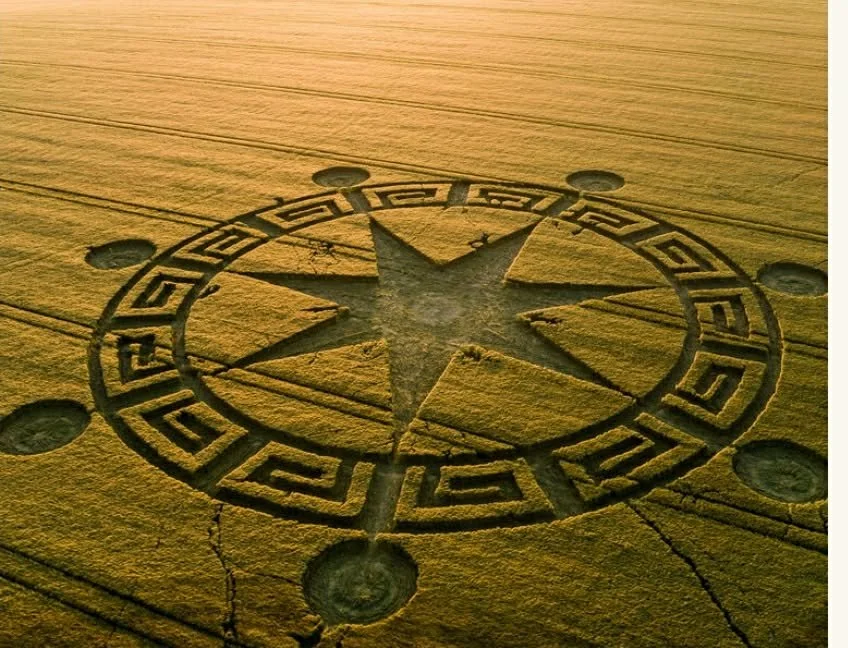
DENE HINE - AGROGLYPH
Rétrospective des œuvres de Dene HINE
Making the Meadow Circle Film : https://youtu.be/MudURmWa6Eg
Film Installation Breen & Antsy : https://youtu.be/K_waMM6Fi2E
Article Nouvelle Republique 02/07/2026 : https://www.lanouvellerepublique.fr/centre-presse/on-ne-les-voit-que-du-ciel-sept-cercles-apparaissent-dans-un-champ-de-journet-pres-de-montmorillon-1783000791
JUNE 26 - JULY 19 2026
Vernissage le 26 juin
20 Rue Montebello. Montmorillon : 18.00 - 20.00
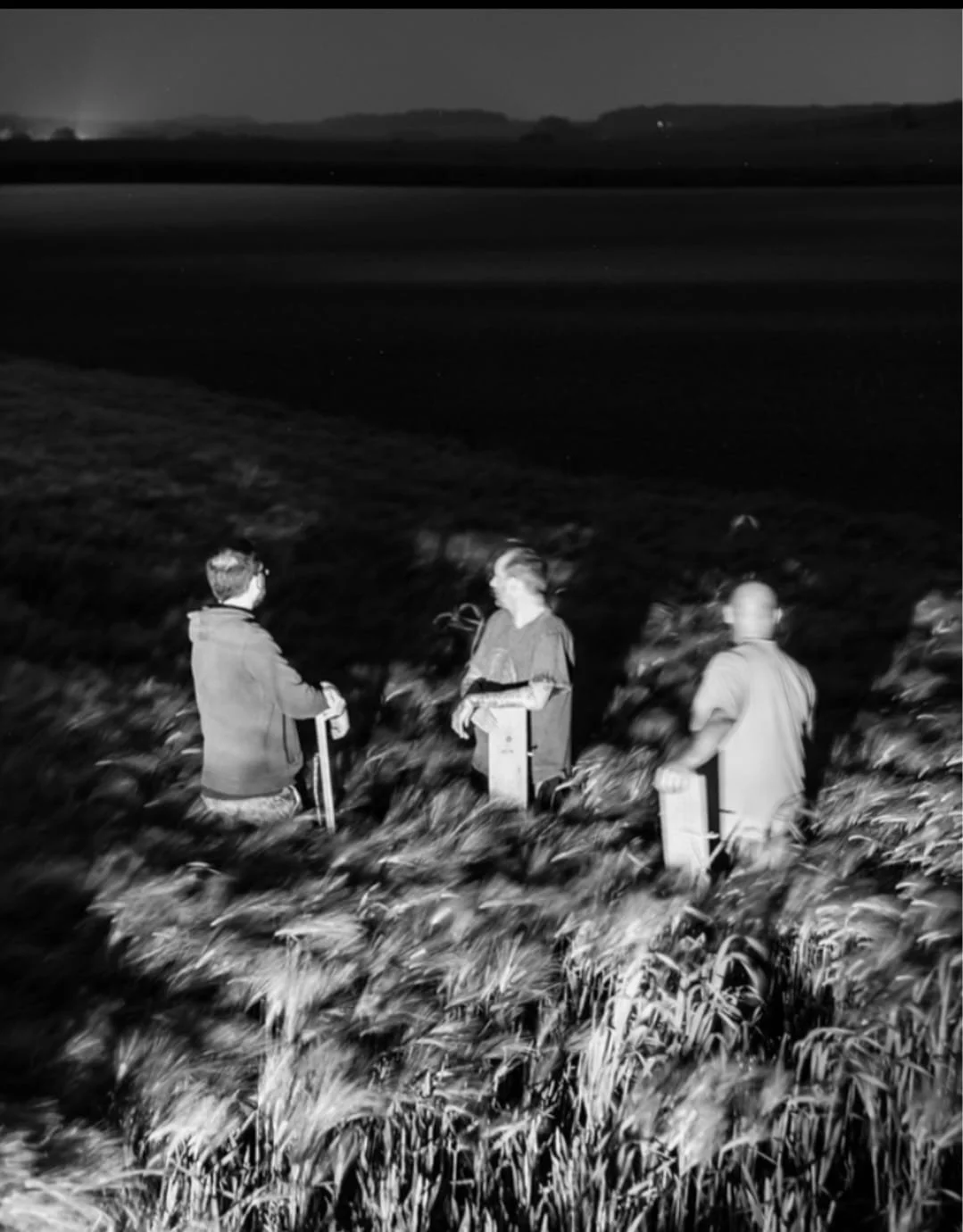
Liens vers les œuvres de HINE sur les réseaux sociaux et les plateformes numériques
https://www.instagram.com/p/DHOIahAtqzy/
https://www.youtube.com/@denehine74
https://www.youtube.com/watch?v=4GKflIsGO5U
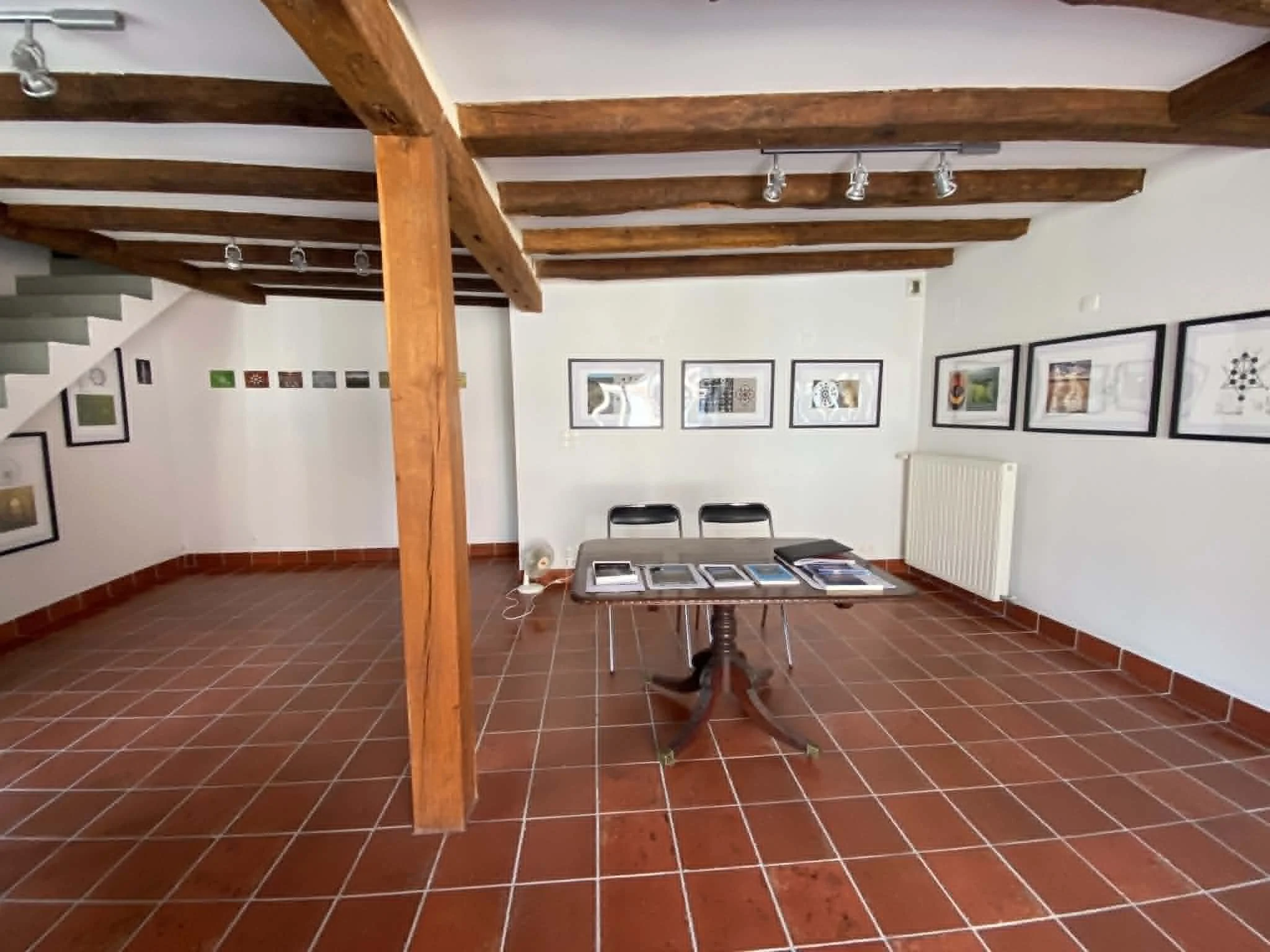
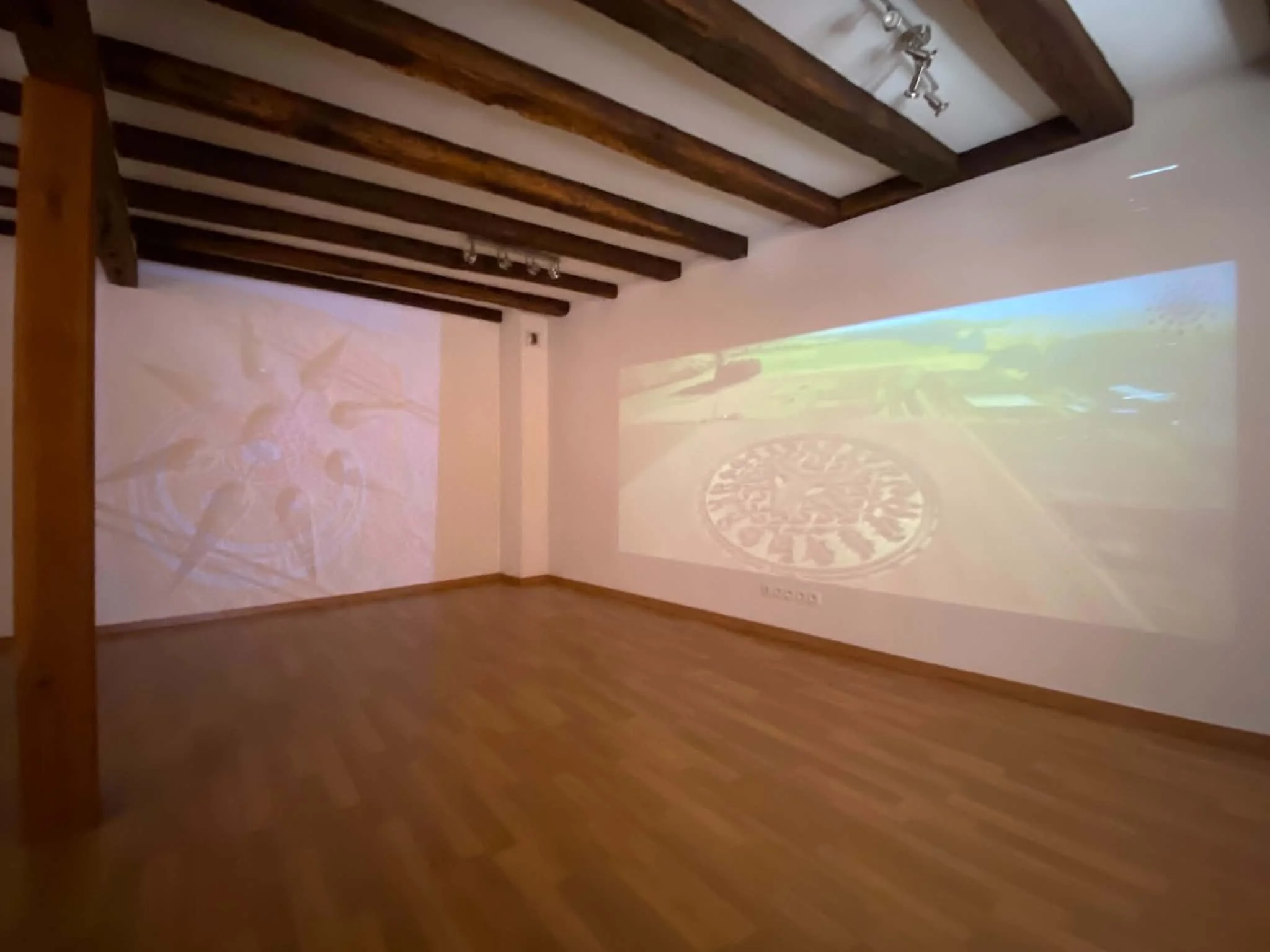
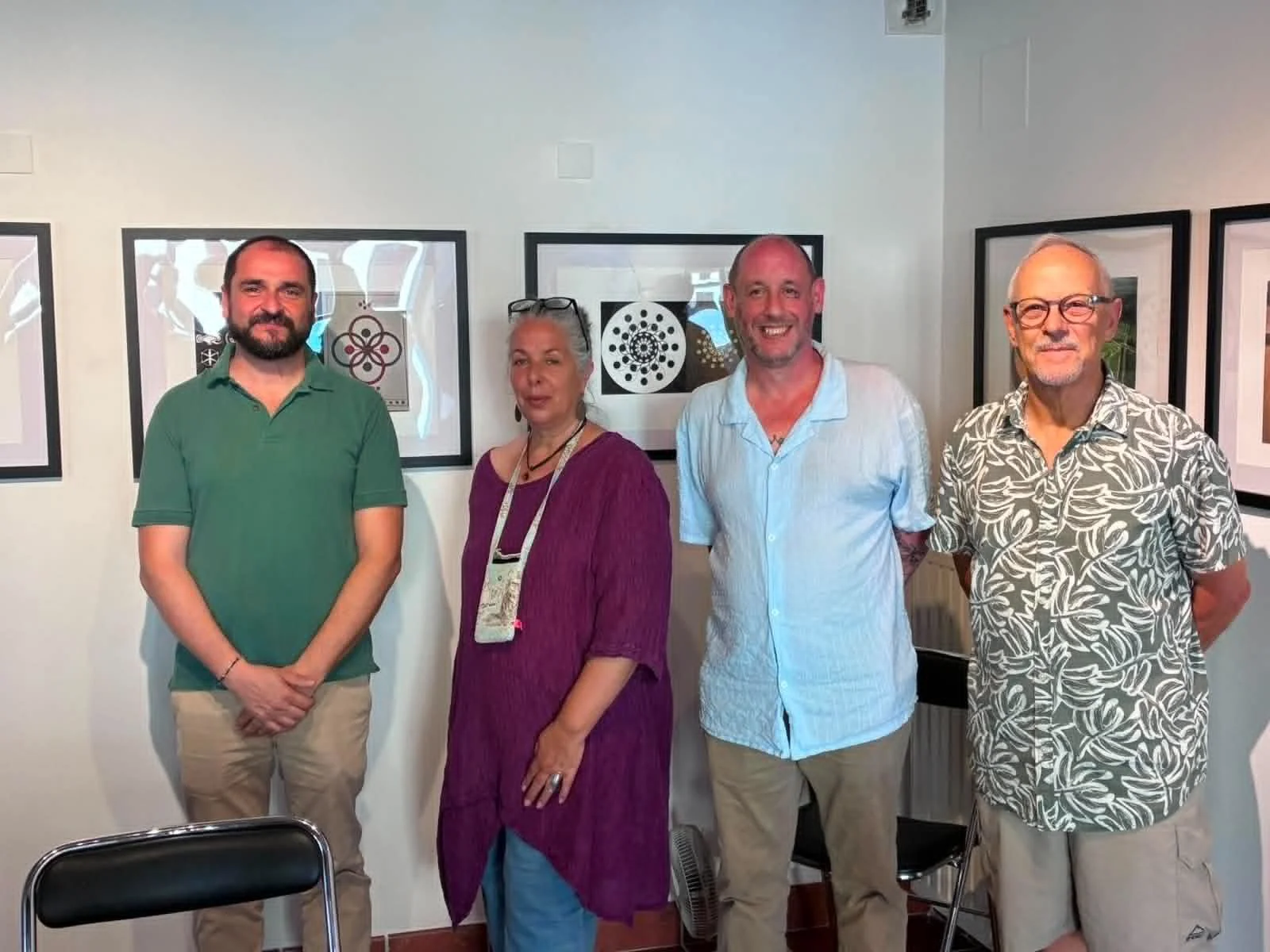
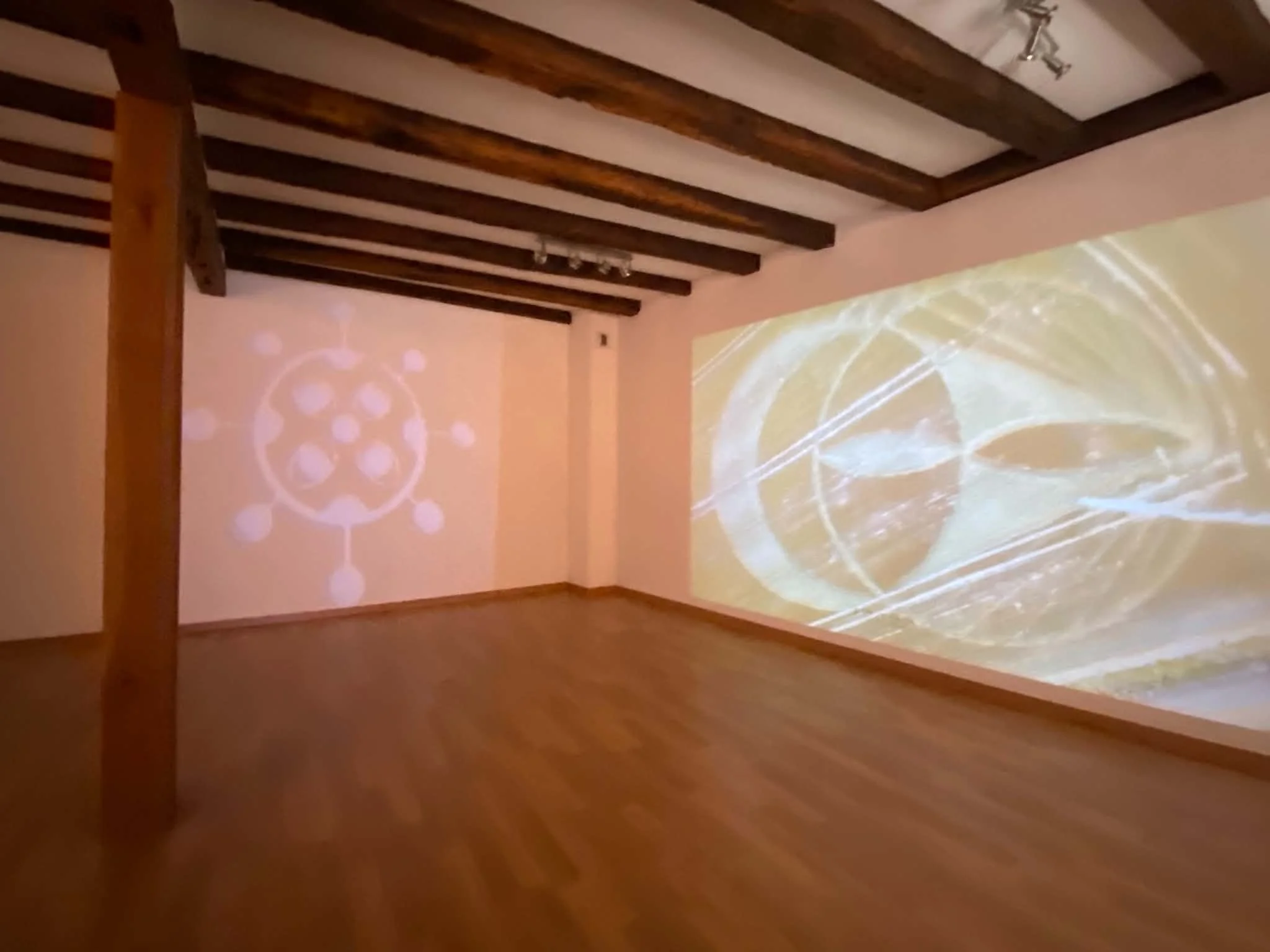
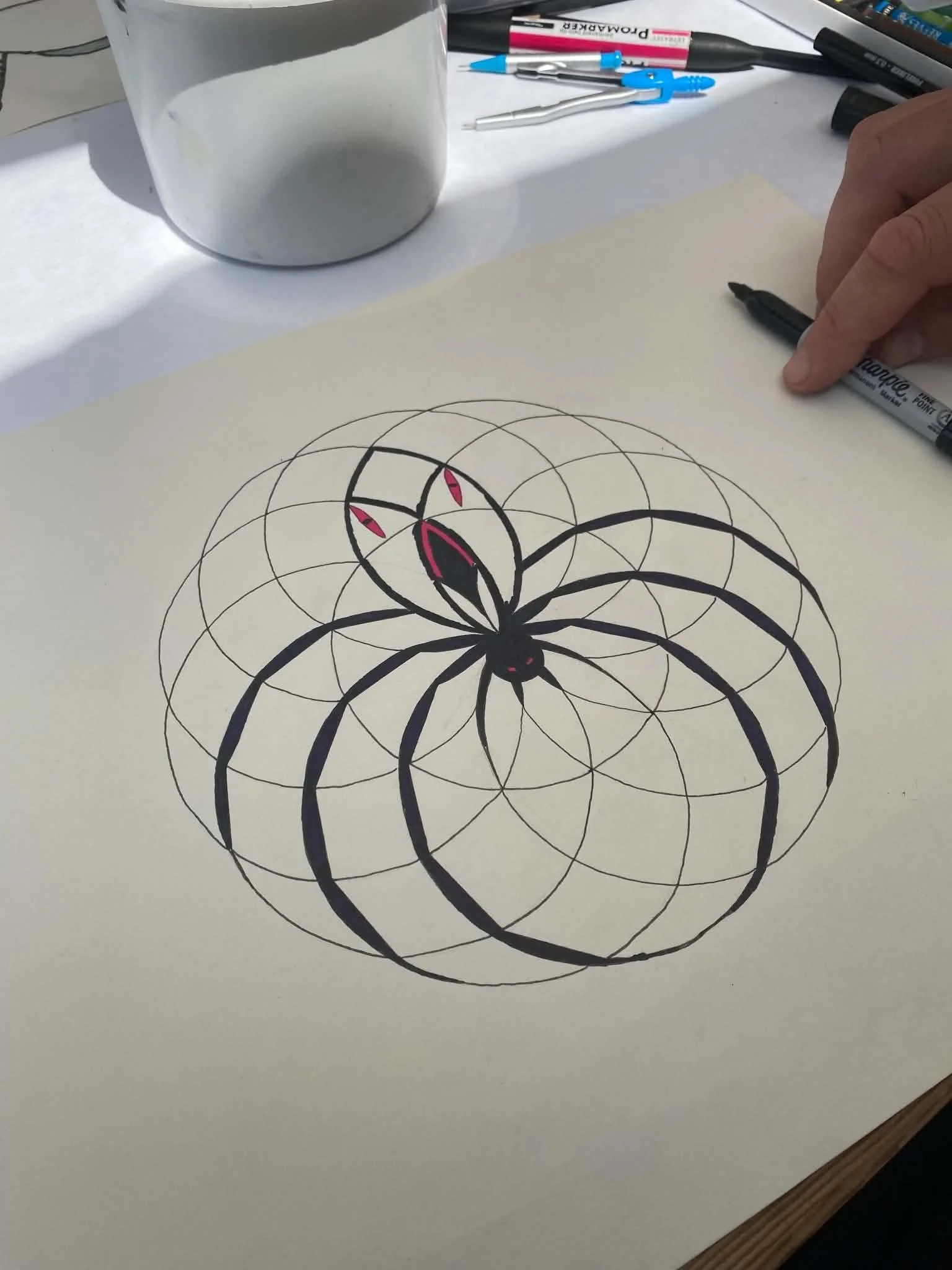
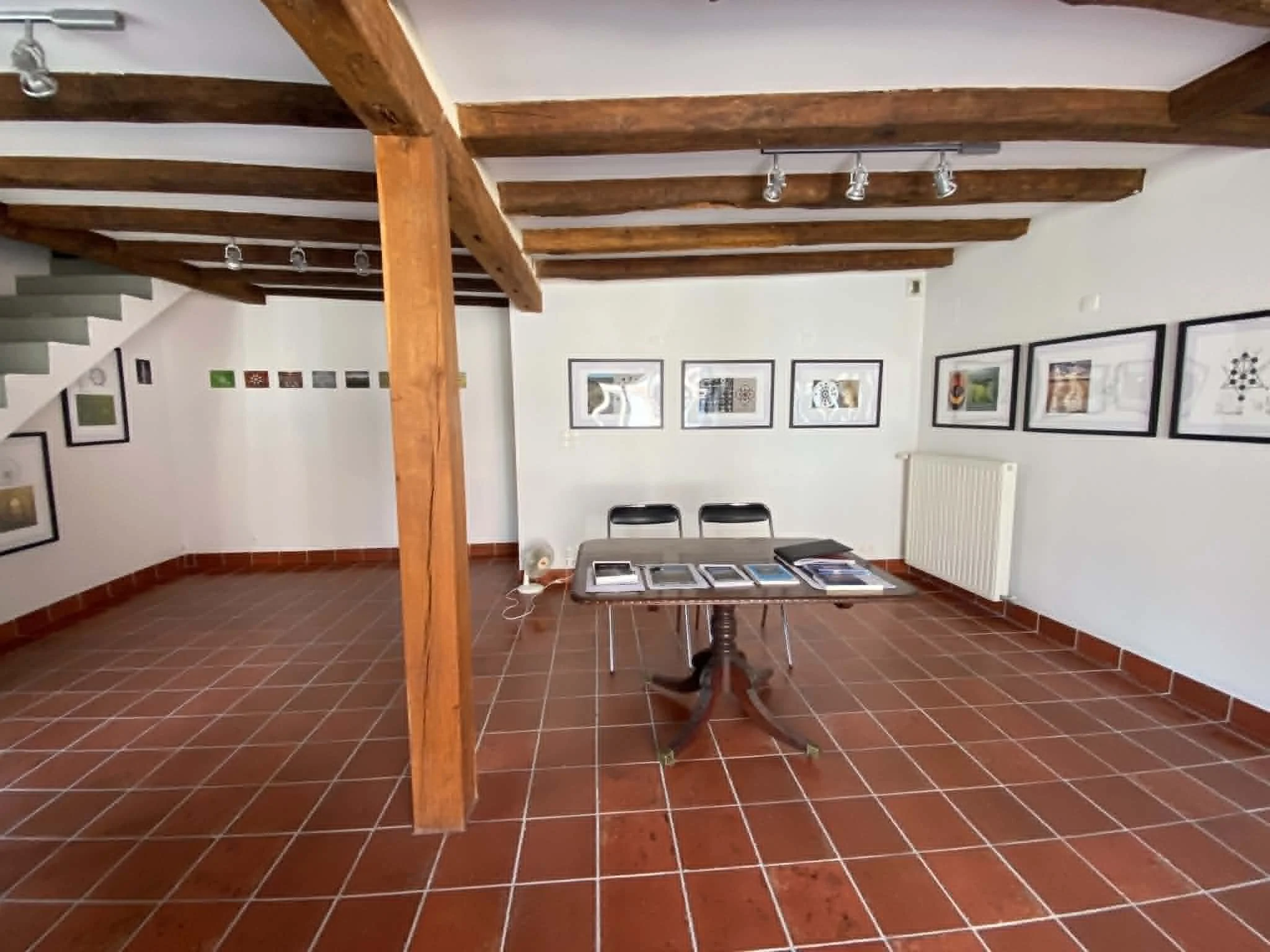
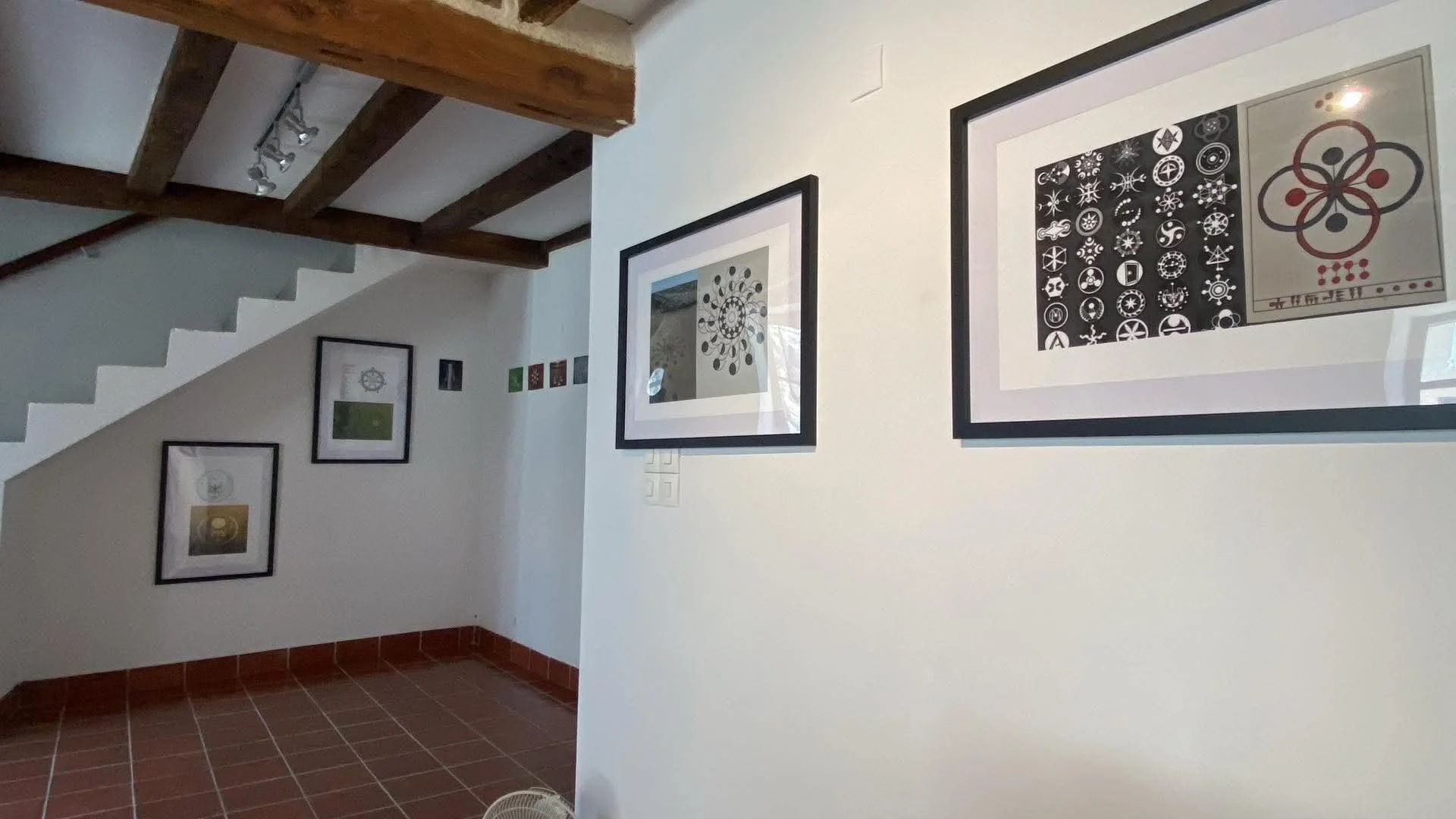
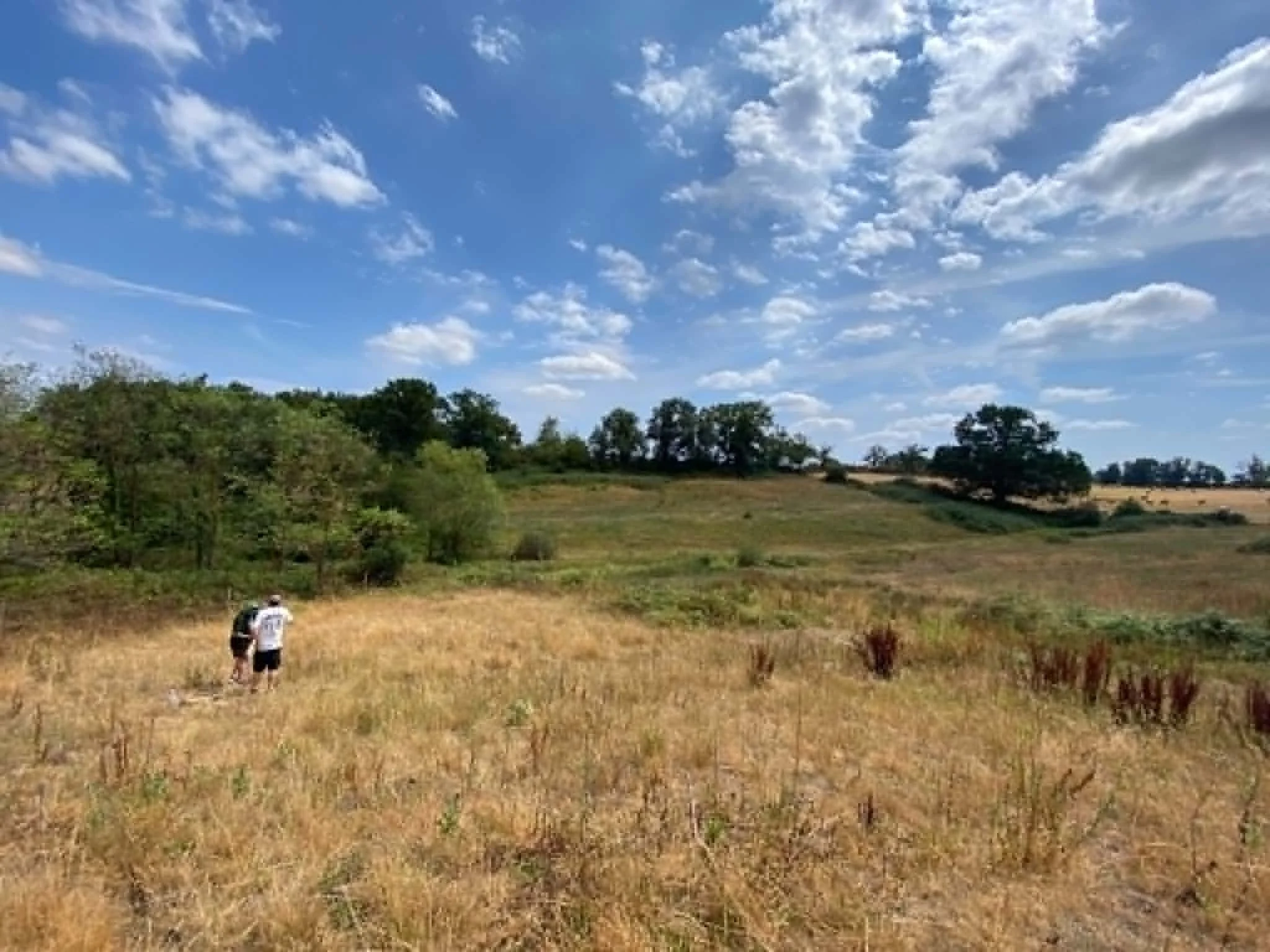
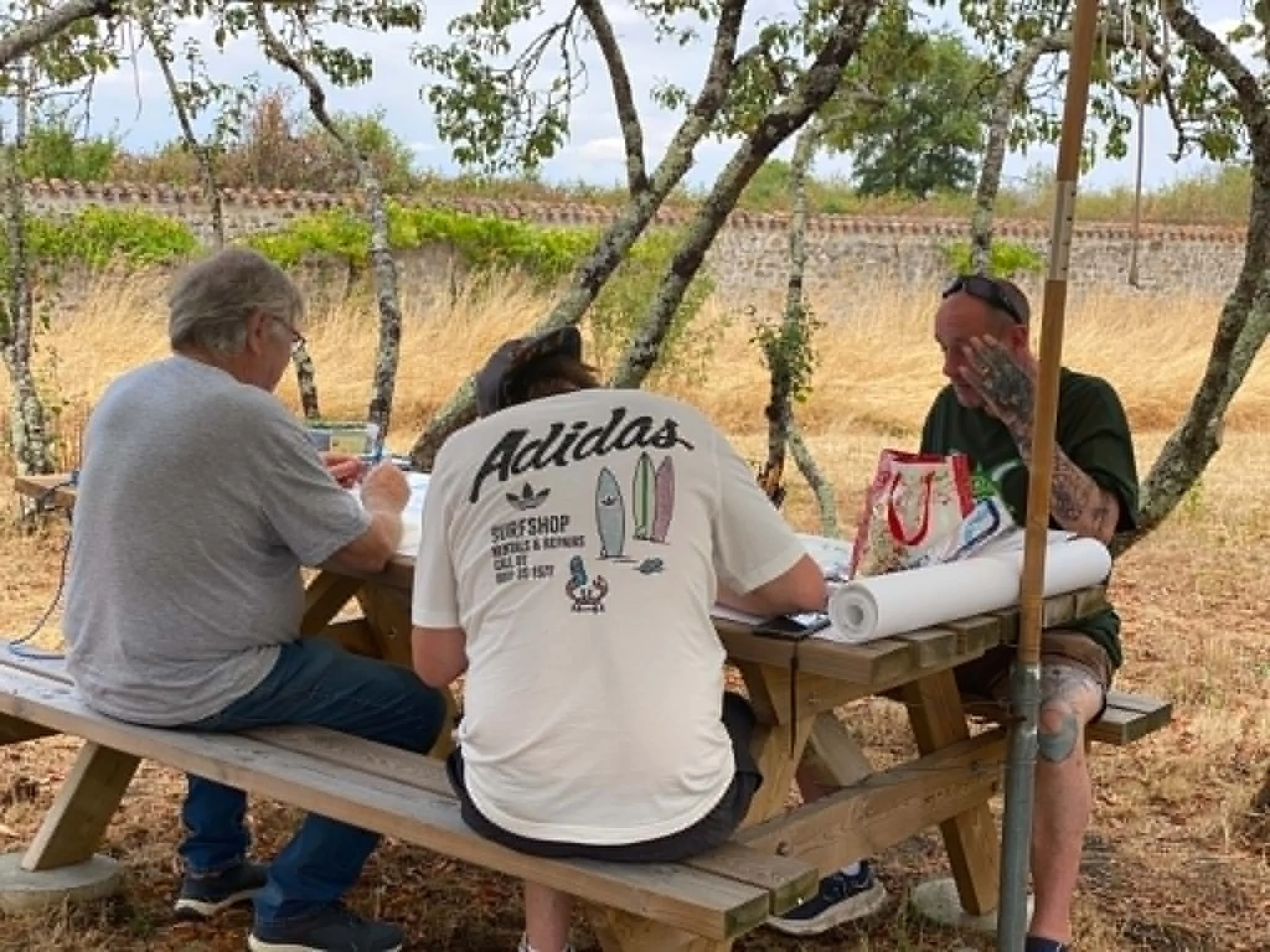
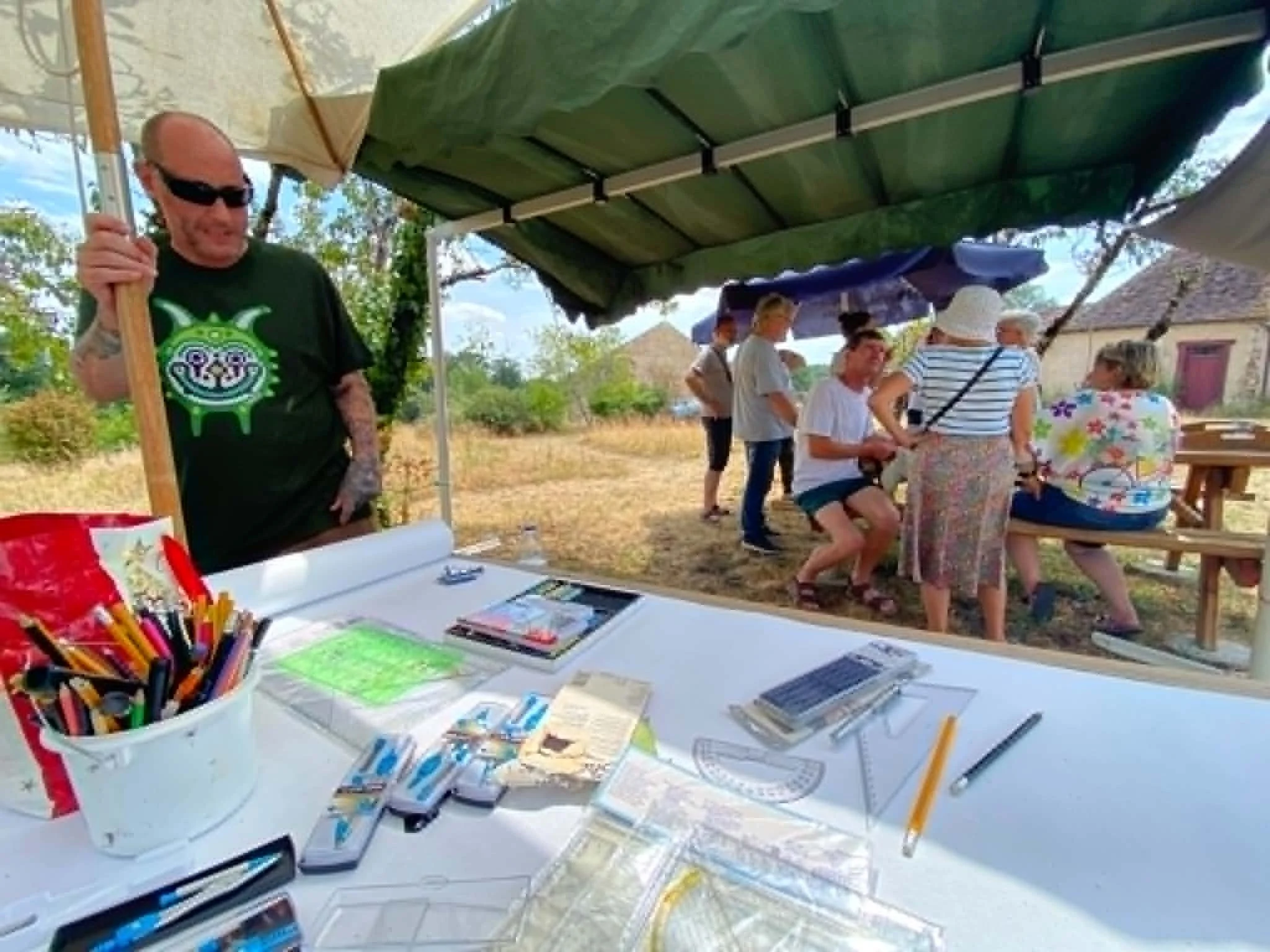
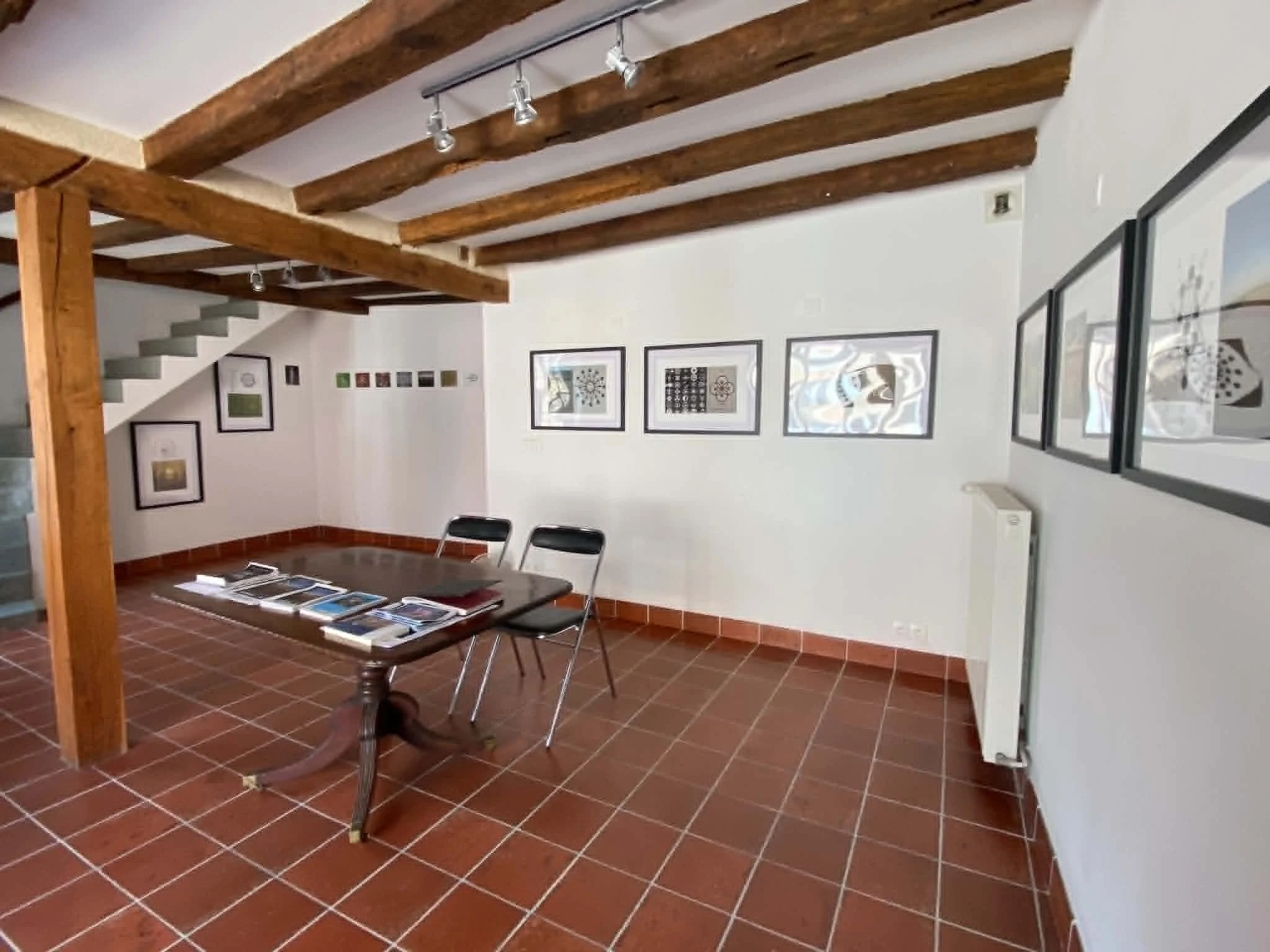
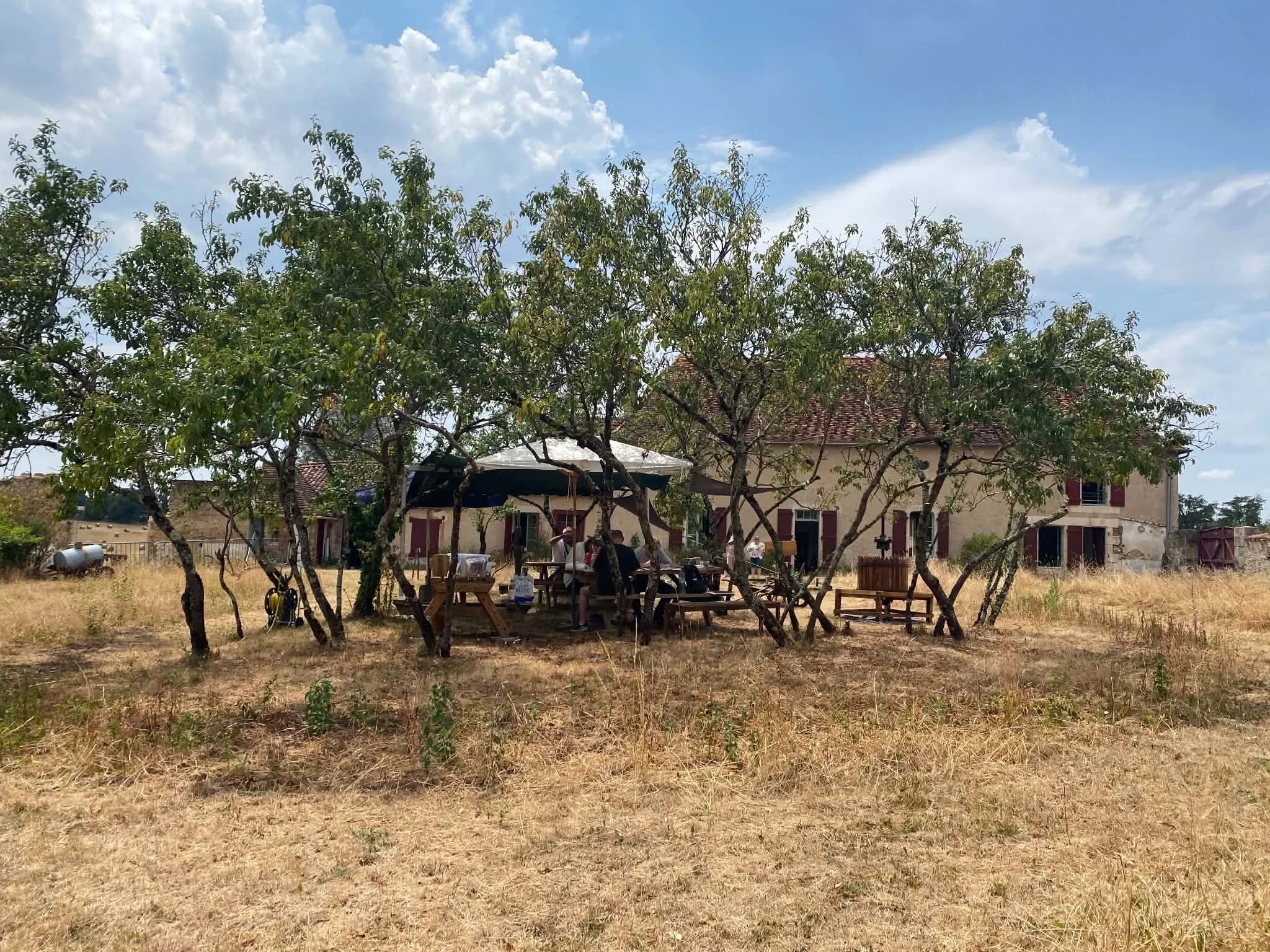
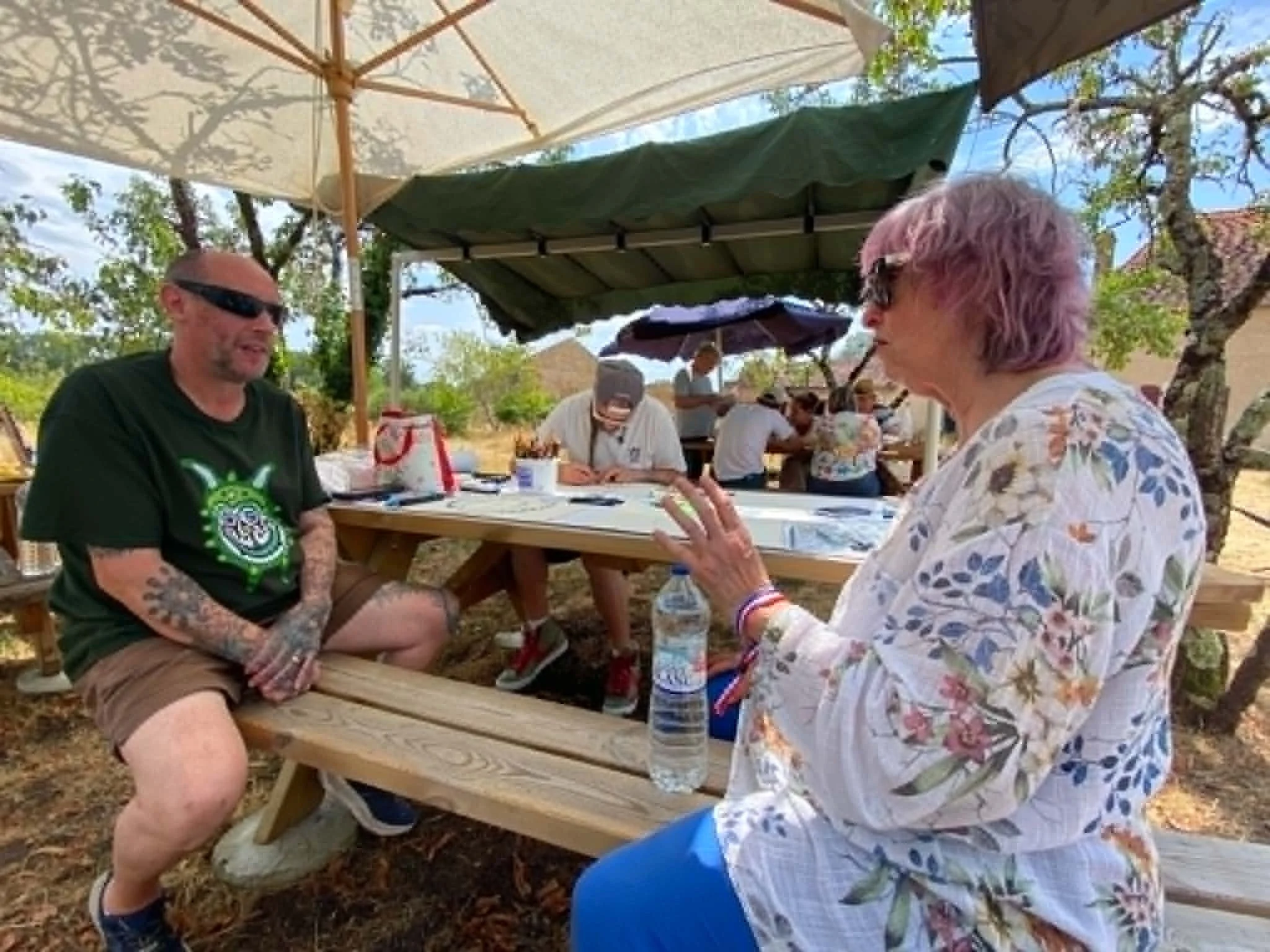
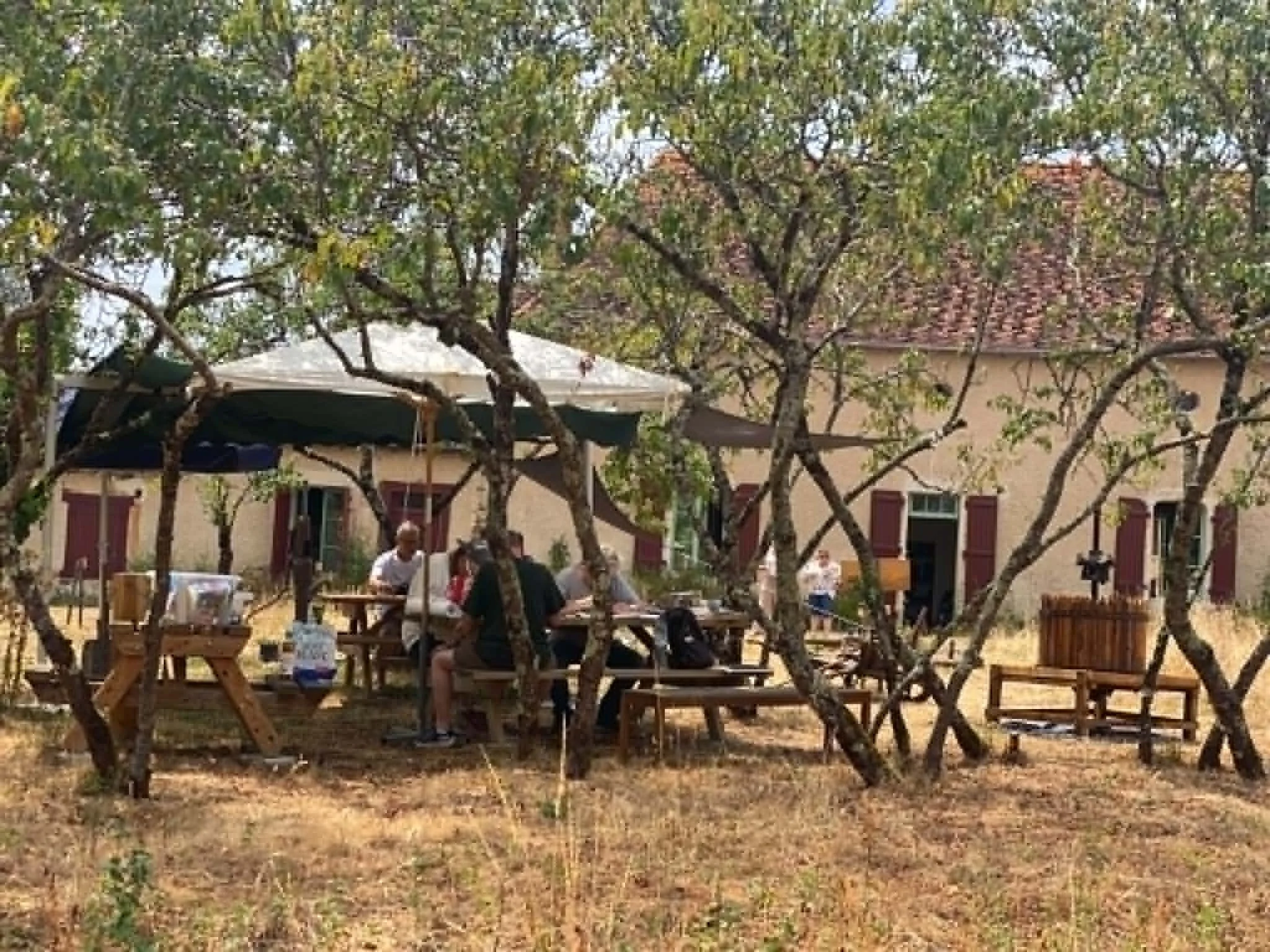
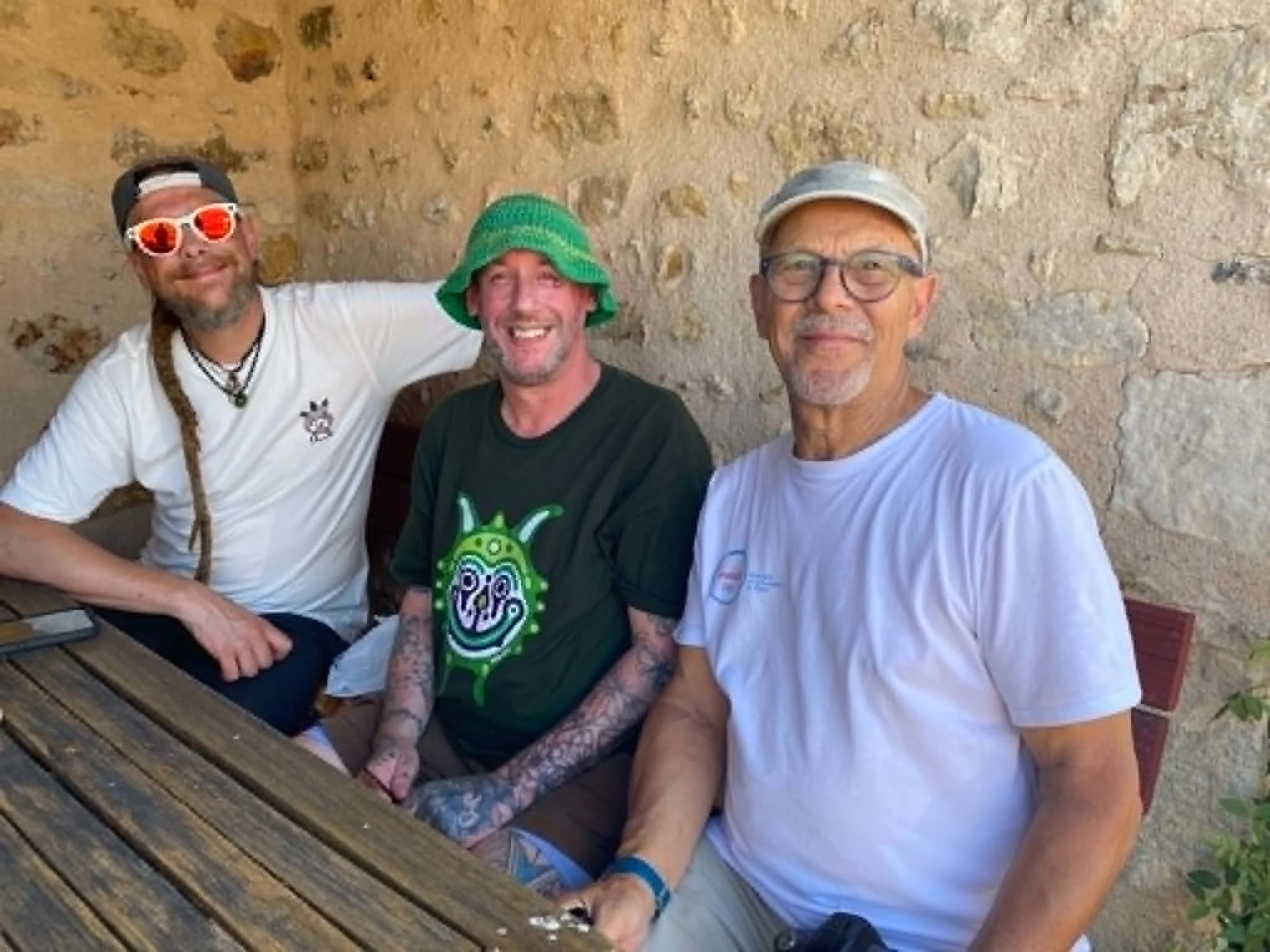
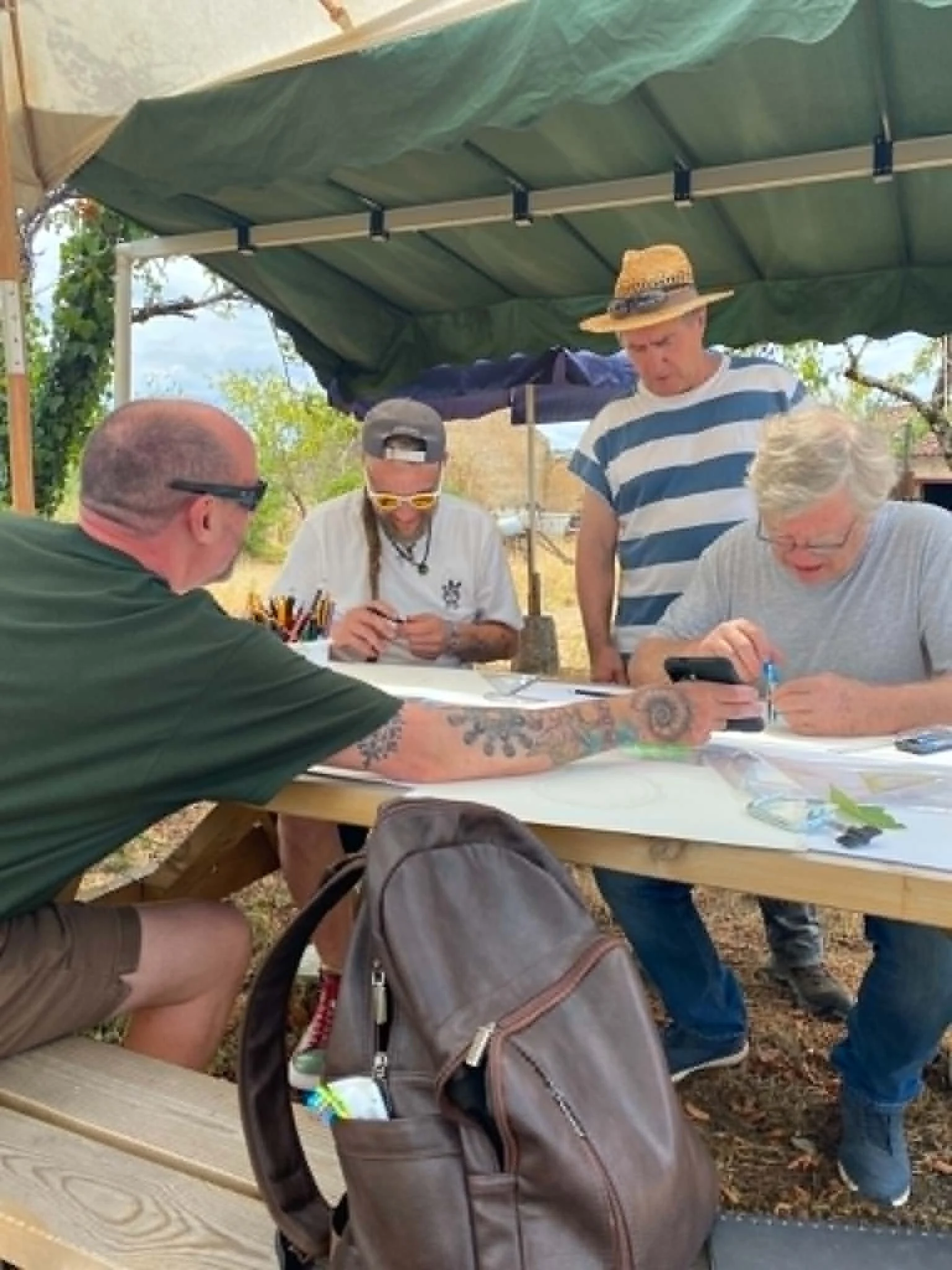
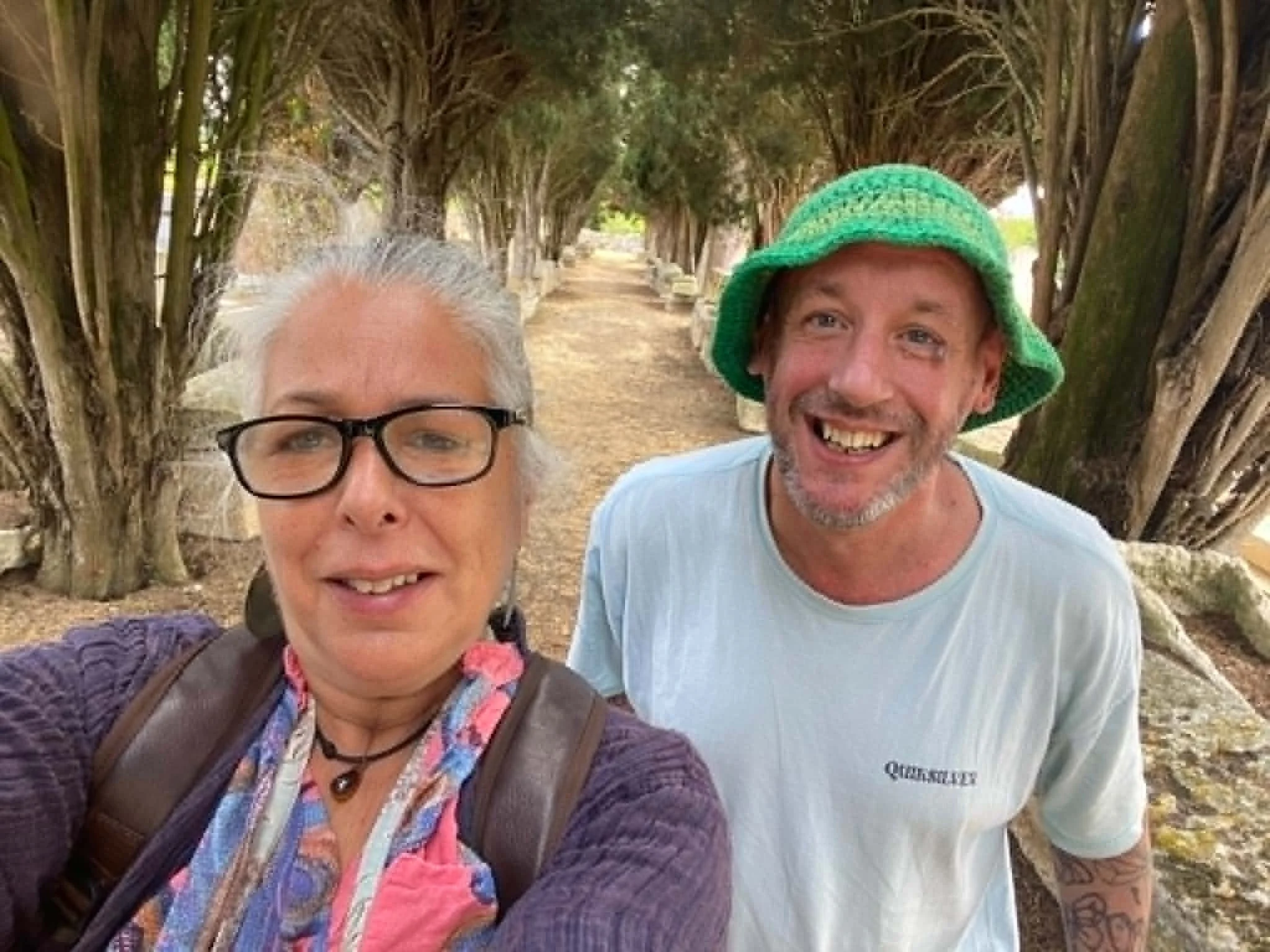
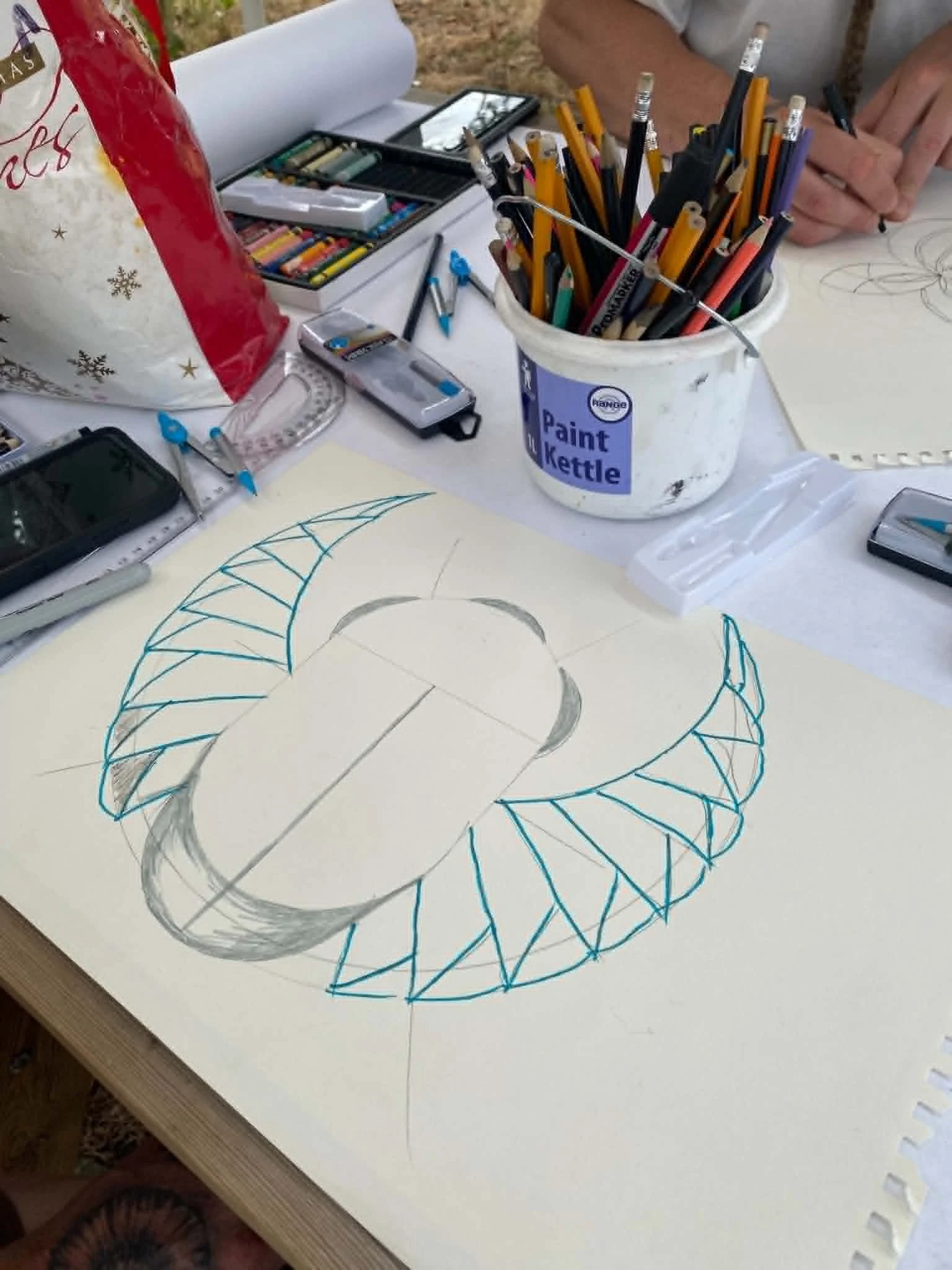
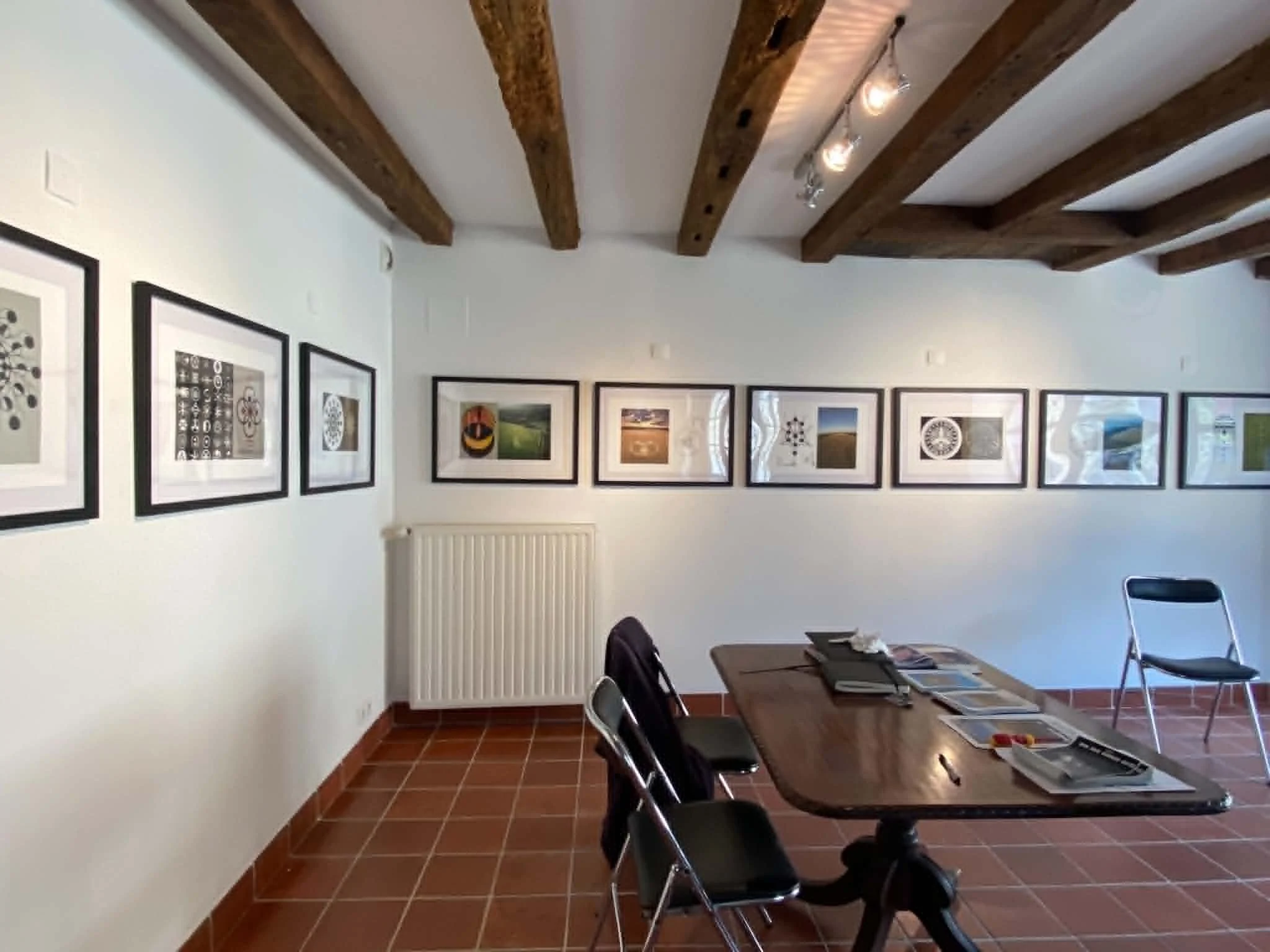
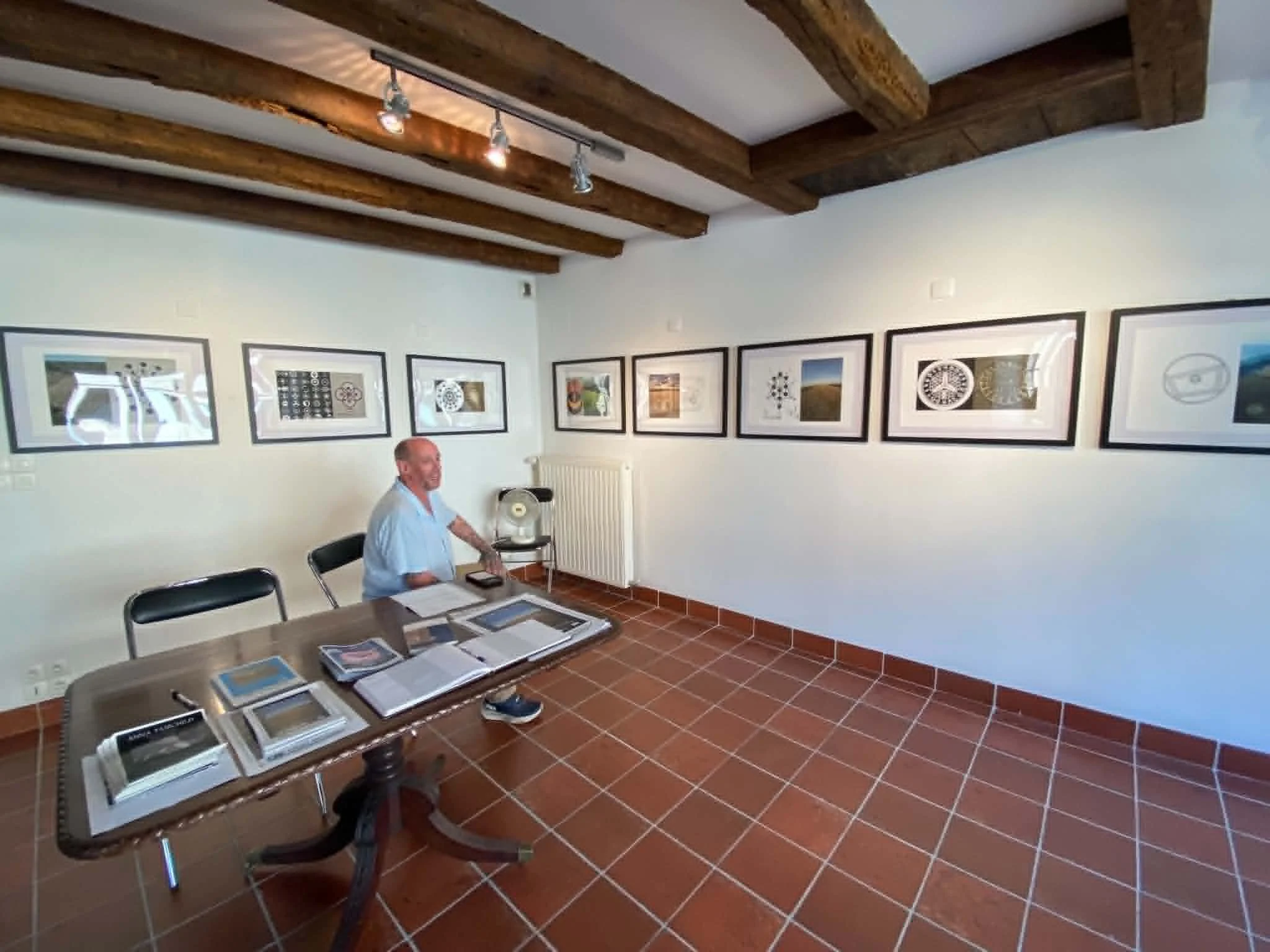
Vernissage le 26 juin : 18.00 - 20.00 20 Rue Montebello. Montmorillon
Conférence le 27 juin : 15.00 - 17.00 Éco-Musée Montmorillon, site Juillé. Saulgé
Atelier à Saulgé le 28 juin : 14.30 - 17.00 Éco-Musée Montmorillon, site Juillé. Saulgé
L'ATELIER MELUSINE et l'Éco-Musée Montmorillon, site Juillé, sont heureux de présenter une série d'œuvres de l'artiste Dene HINE.
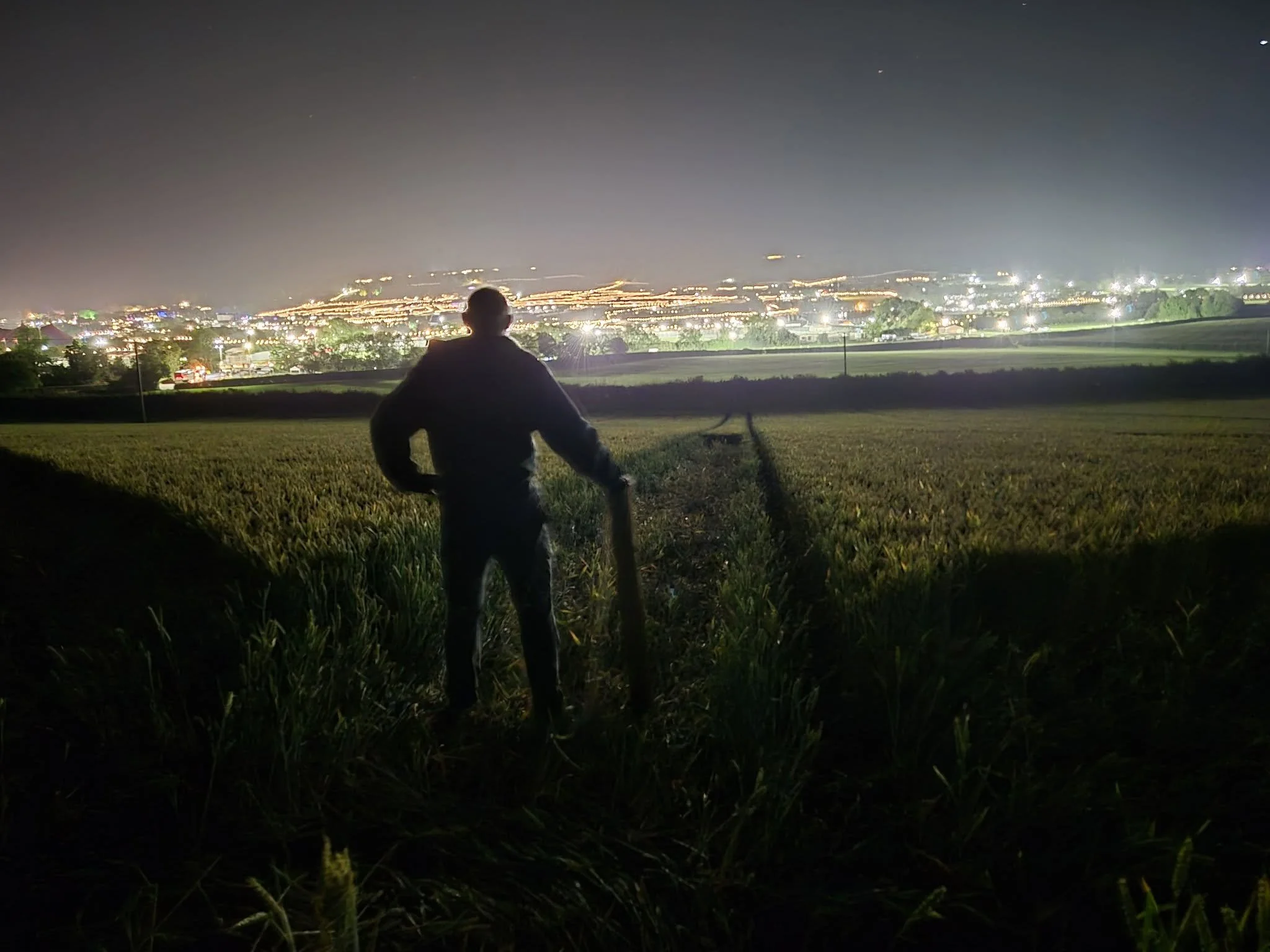
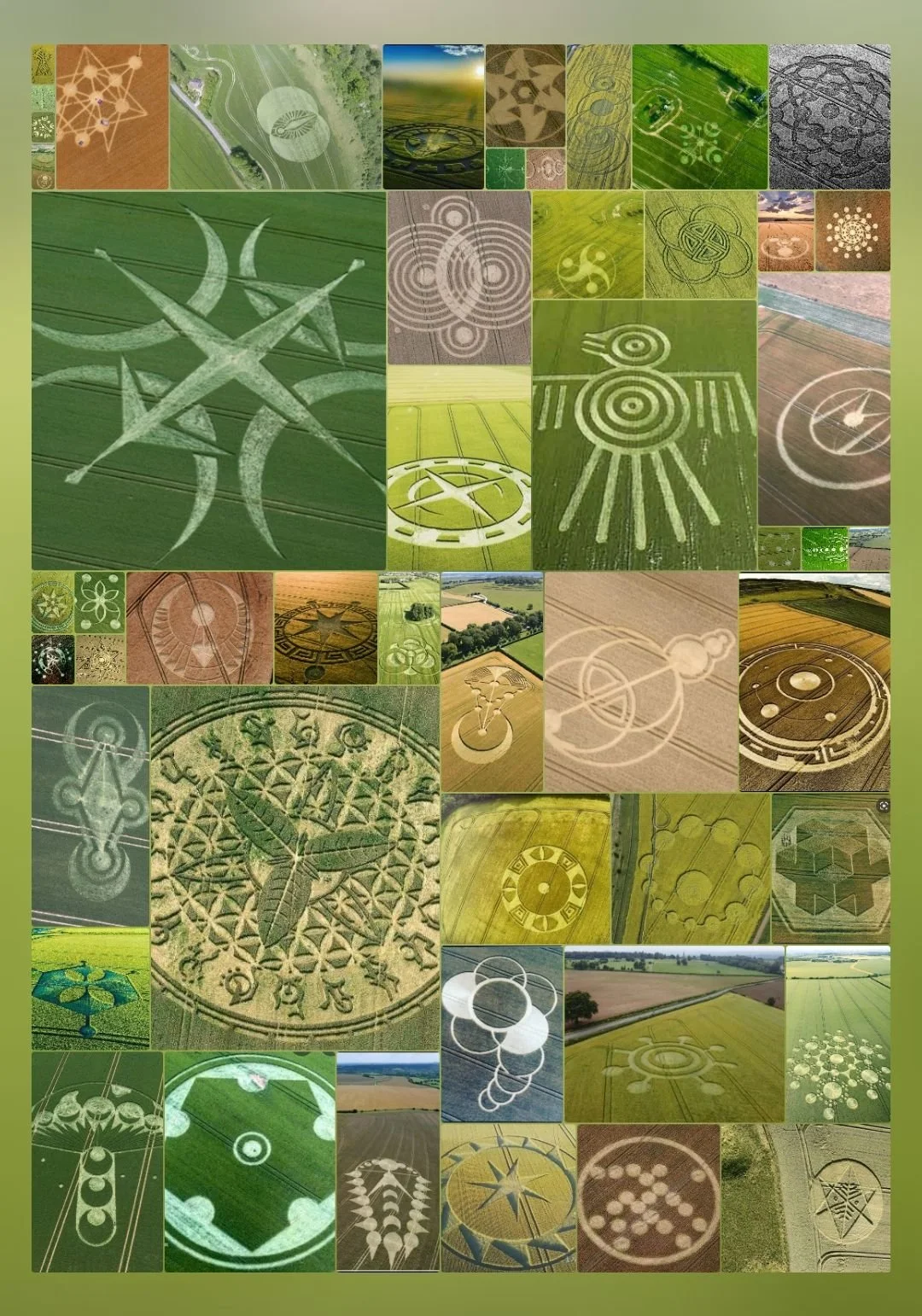
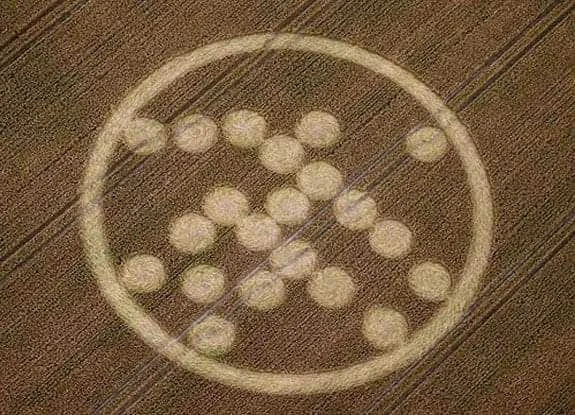
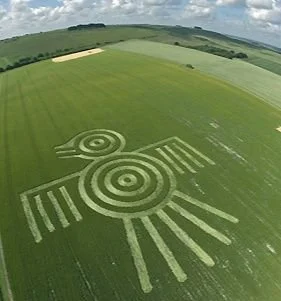
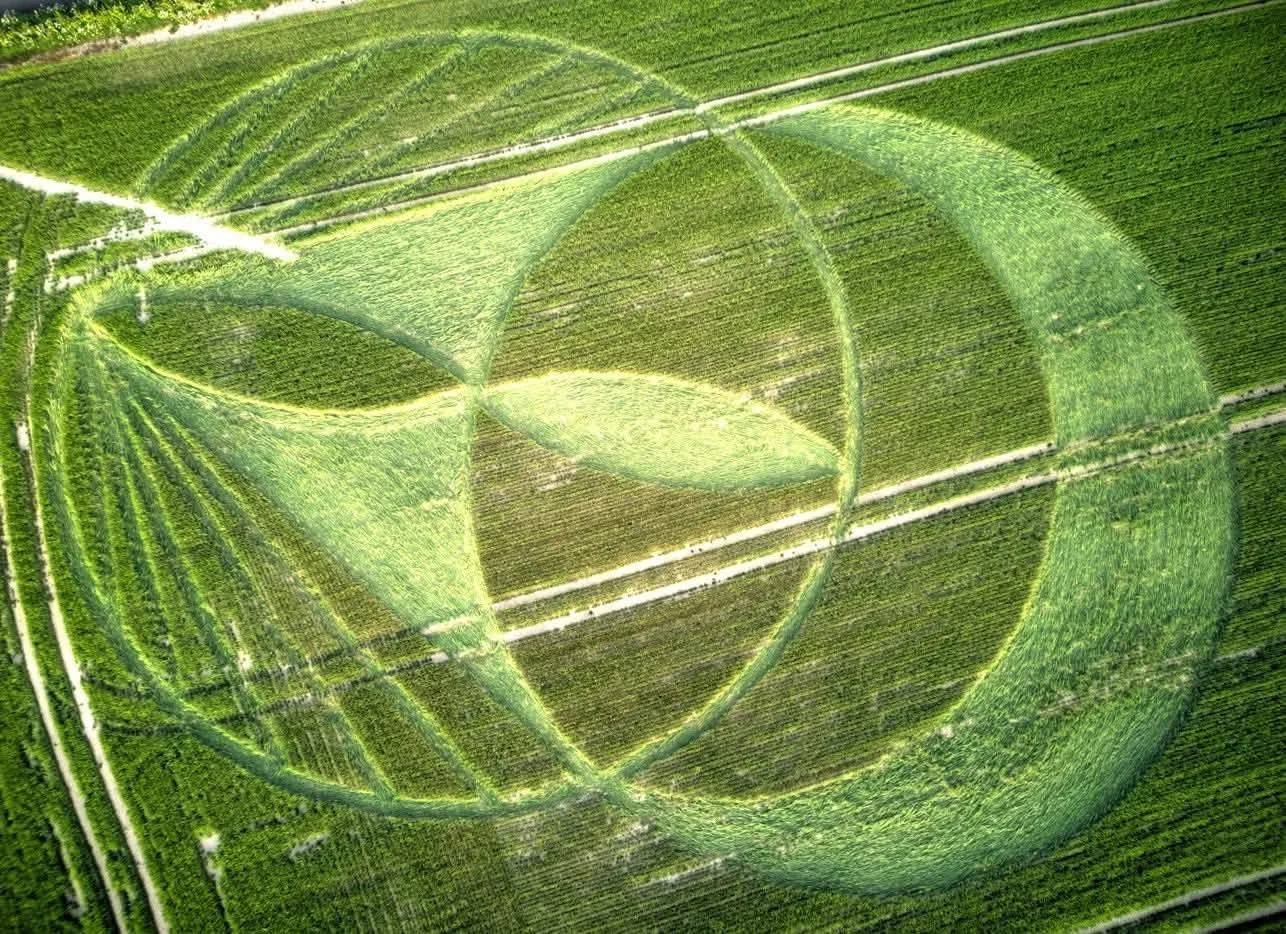
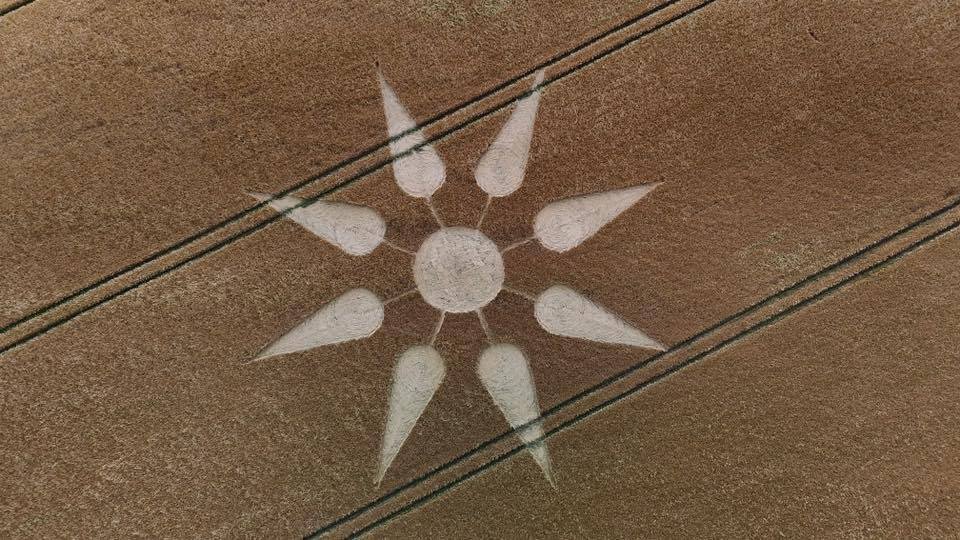
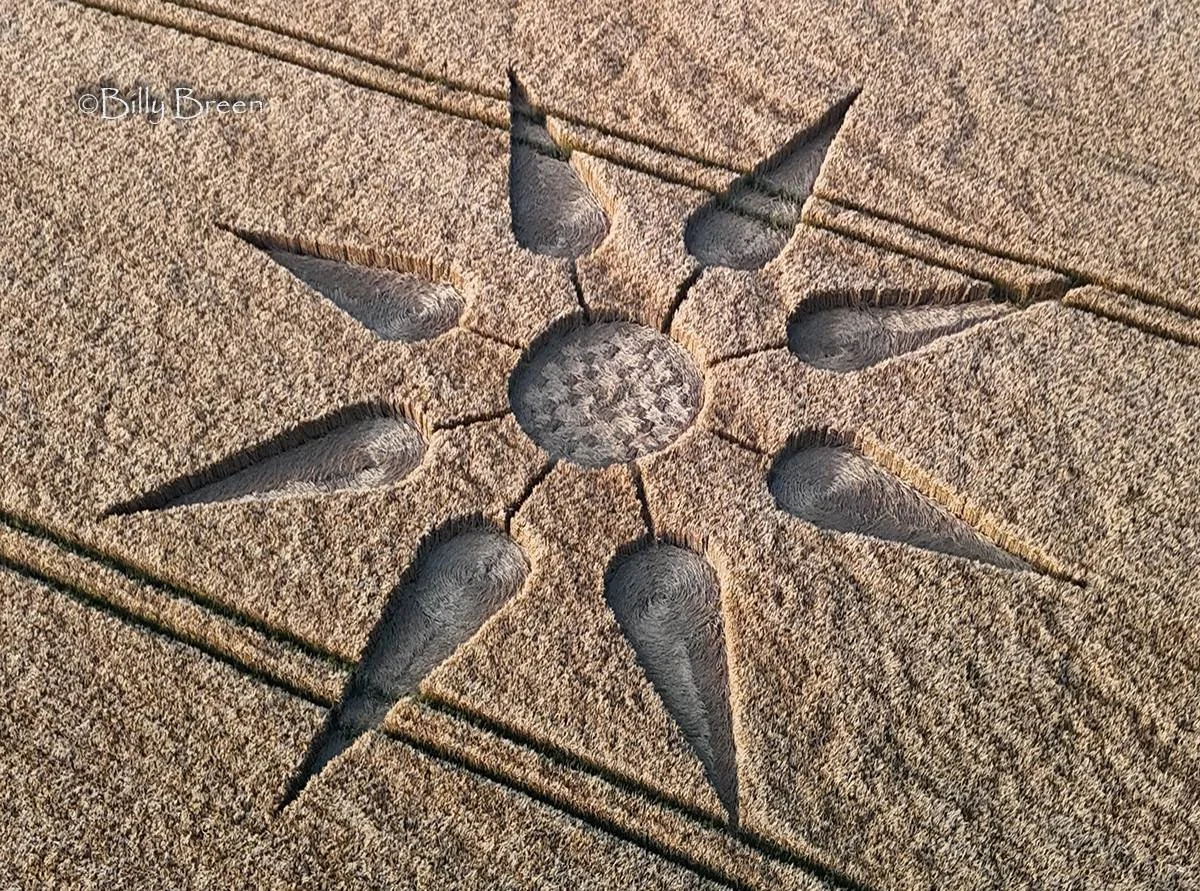
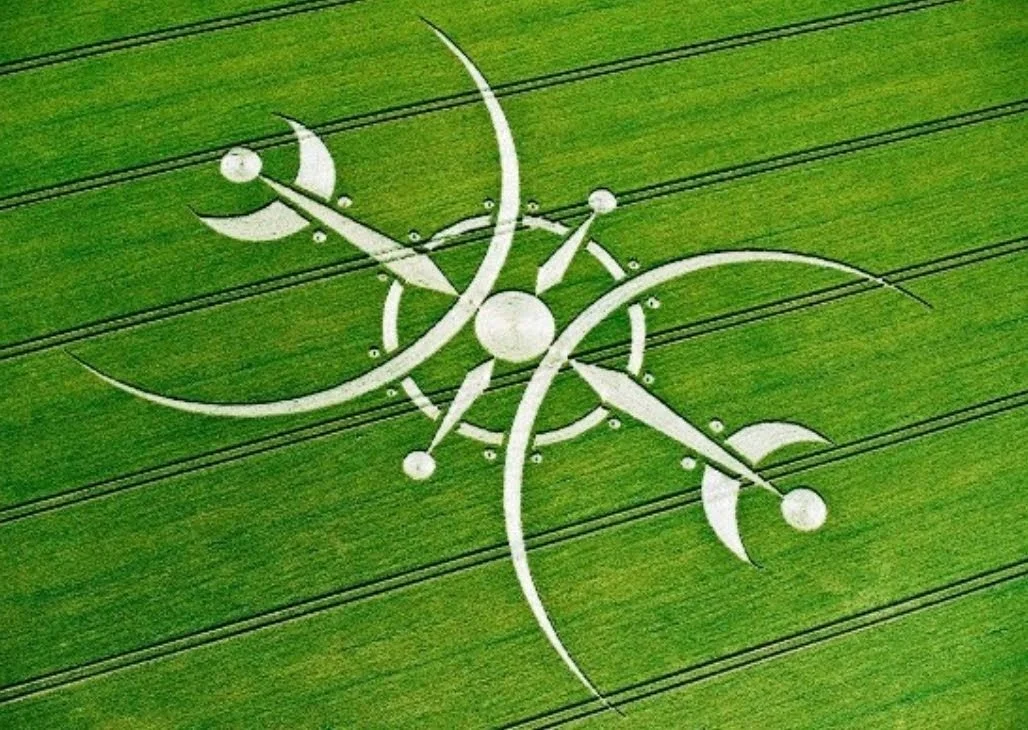
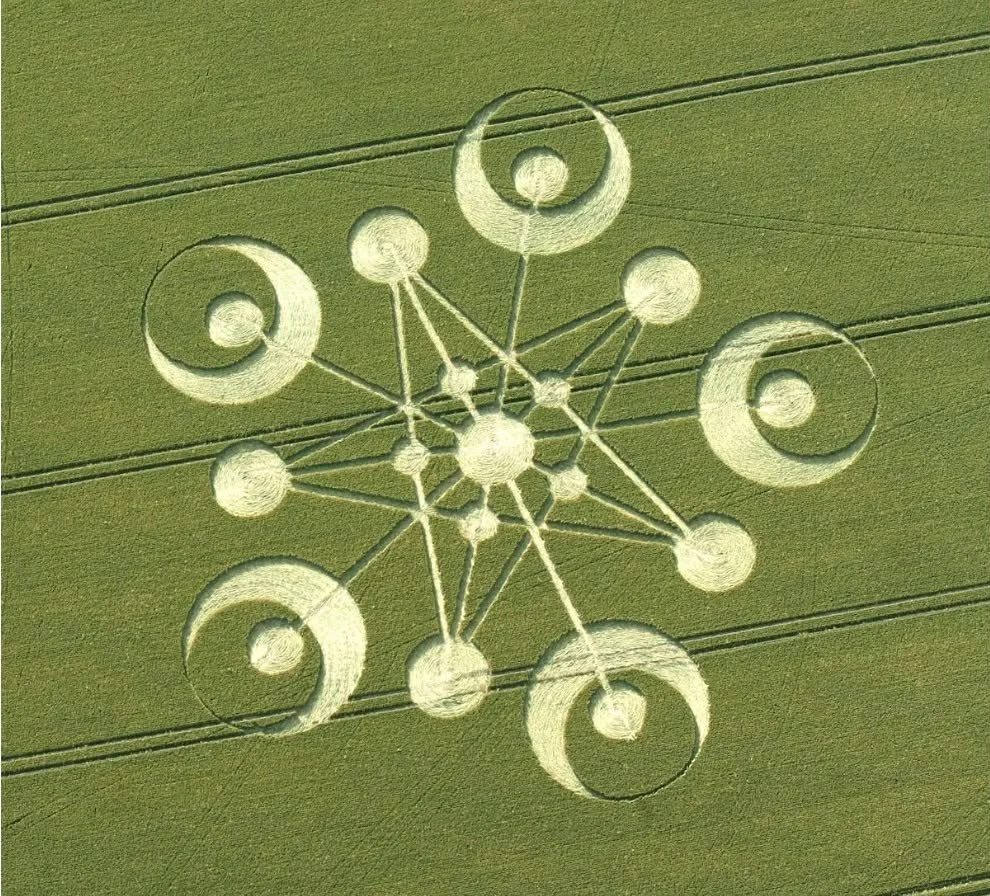
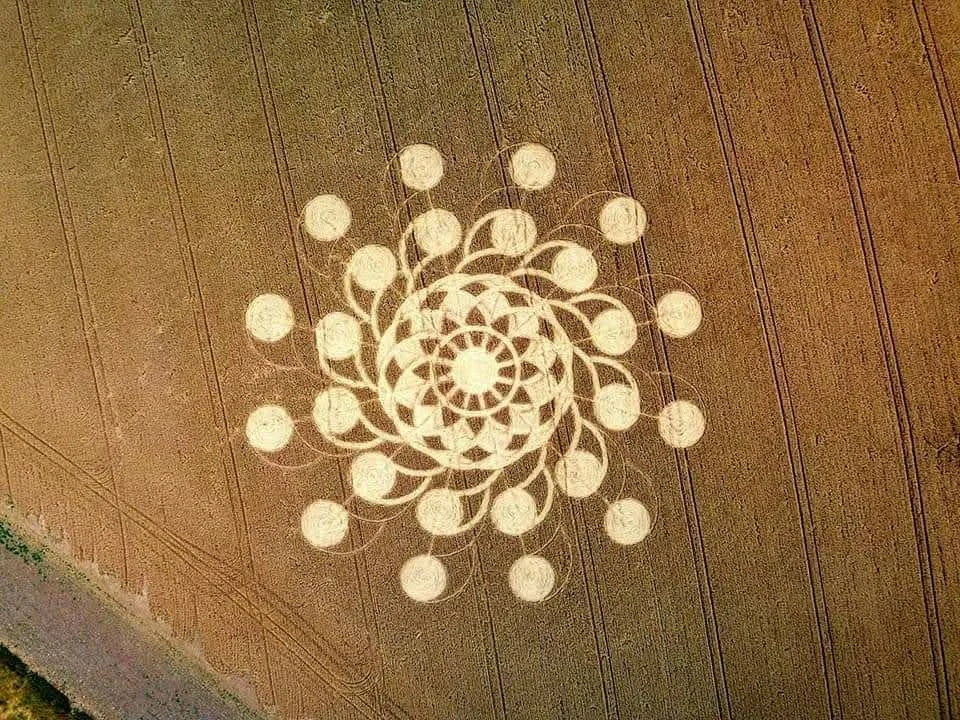
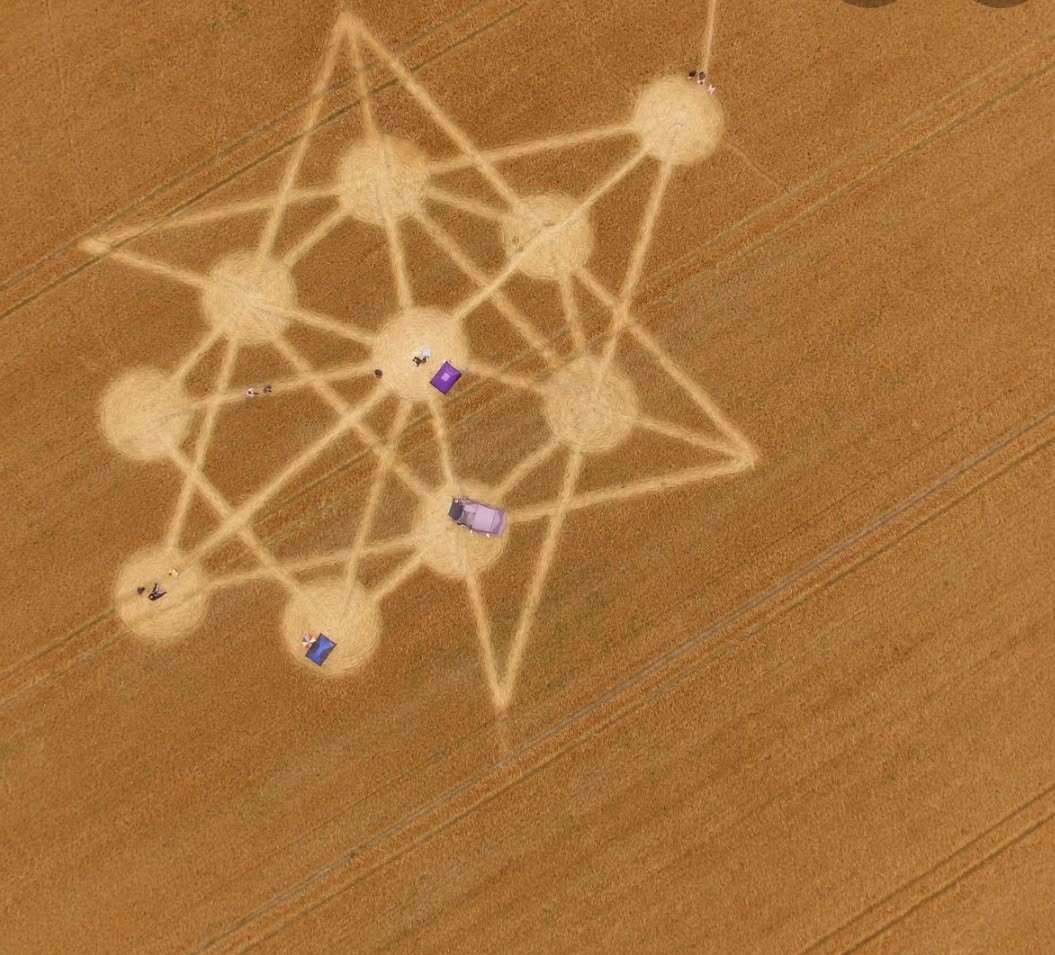
À l'instar de ses pairs dans le domaine des crop circles, HINE cultive délibérément l'anonymat. Créateur et co-créateur de certains des crop circles les plus célèbres au monde, il s'inspire de ces formes d'art urbain clandestines, puisant leur inspiration dans les traditions agricoles celtiques et le genre magique, mais aussi dans les préoccupations environnementales liées à l'agriculture industrielle et aux pesticides, ainsi que dans les débats autour de l'art public.
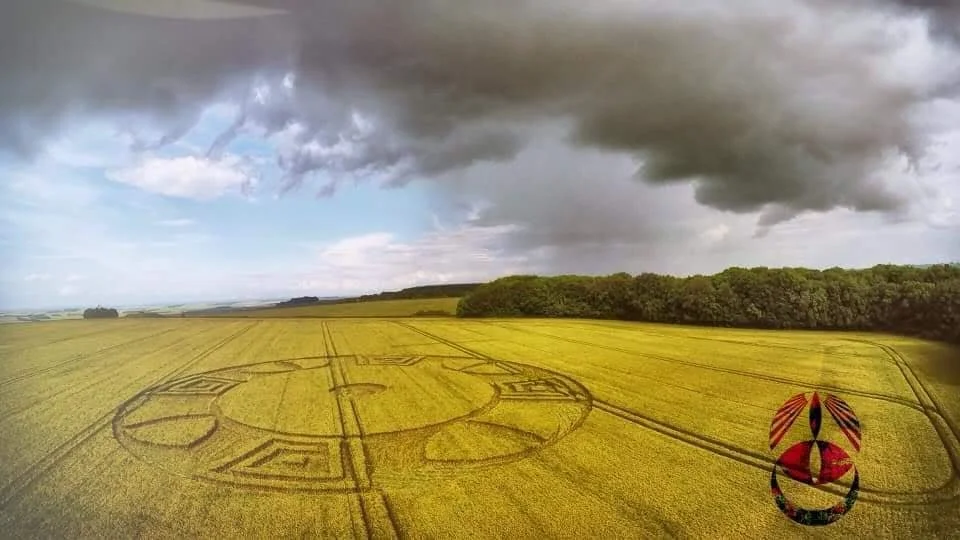
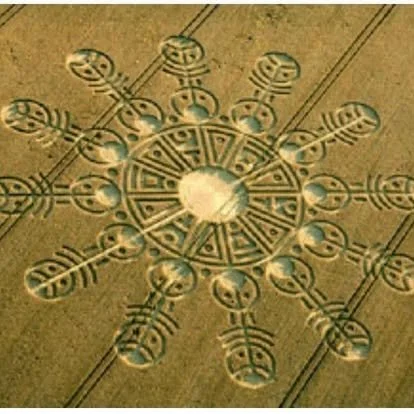
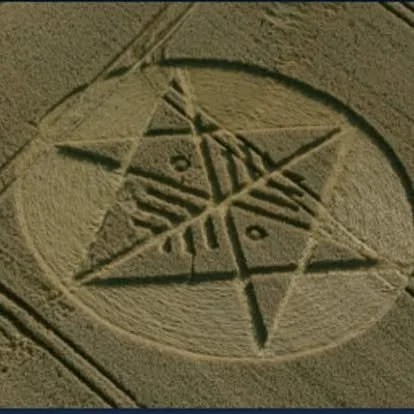
Ces œuvres, que l'on pourrait qualifier de vastes graffitis ruraux, ont suscité un véritable culte, notamment au Royaume-Uni, aux États-Unis et en Chine, où des centaines de milliers de personnes croient à leur origine extraterrestre. Ces œuvres ont été intégrées aux théories du complot actuelles concernant les interventions extraterrestres, un sujet qui alimente les débats (et les silences) au sein des sphères militaires et politiques américaines depuis plus de 70 ans, suite au tristement célèbre incident de Roswell. Les agroglyphes sont désormais associés à des lieux spécifiques : le Somerset au Royaume-Uni (souvent autour du site mystique de Glastonbury), la zone 51 et Whitesands aux États-Unis, soulignant ainsi les connotations occultes qui se sont développées en même temps que ces œuvres.
Les agroglyphes modernes ont fait leur apparition dans les médias britanniques dans les années 1990 et suscitent autant d’admiration que de controverses. Des musées sont consacrés à la documentation et à la promotion de leurs qualités symboliques et surnaturelles.
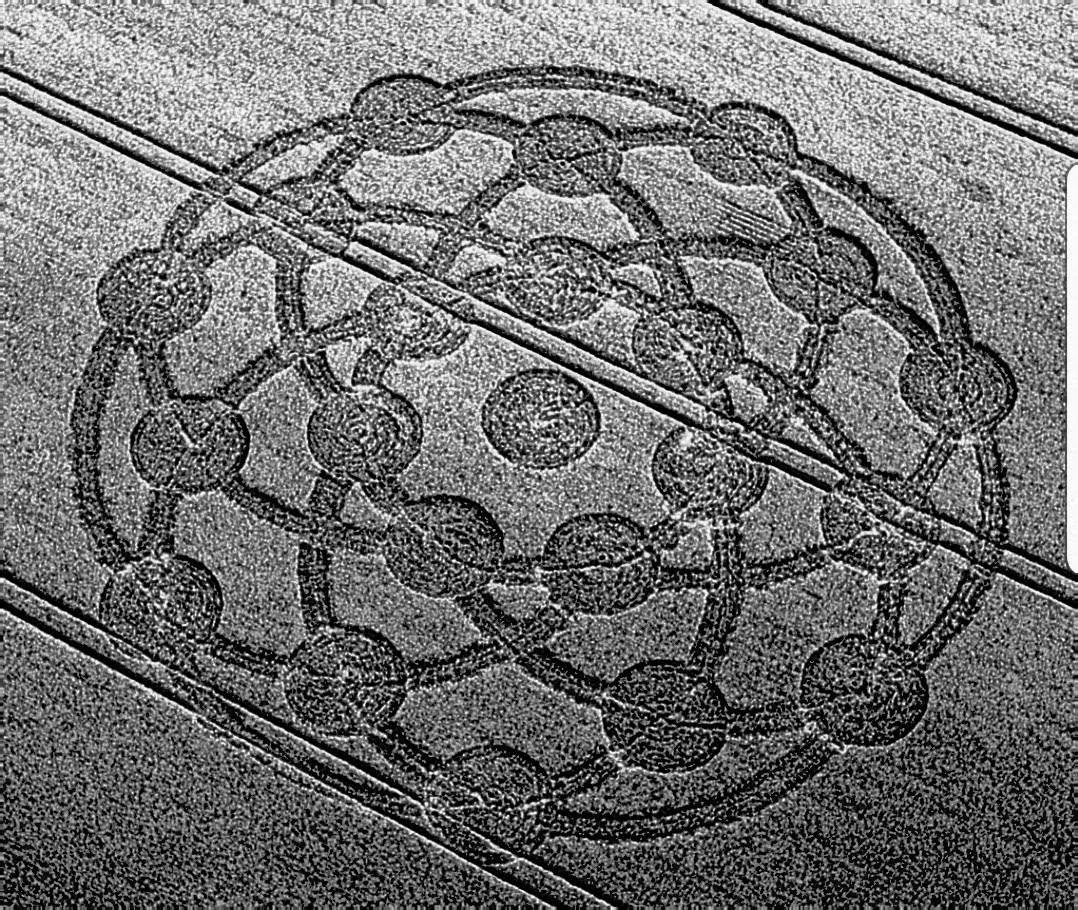
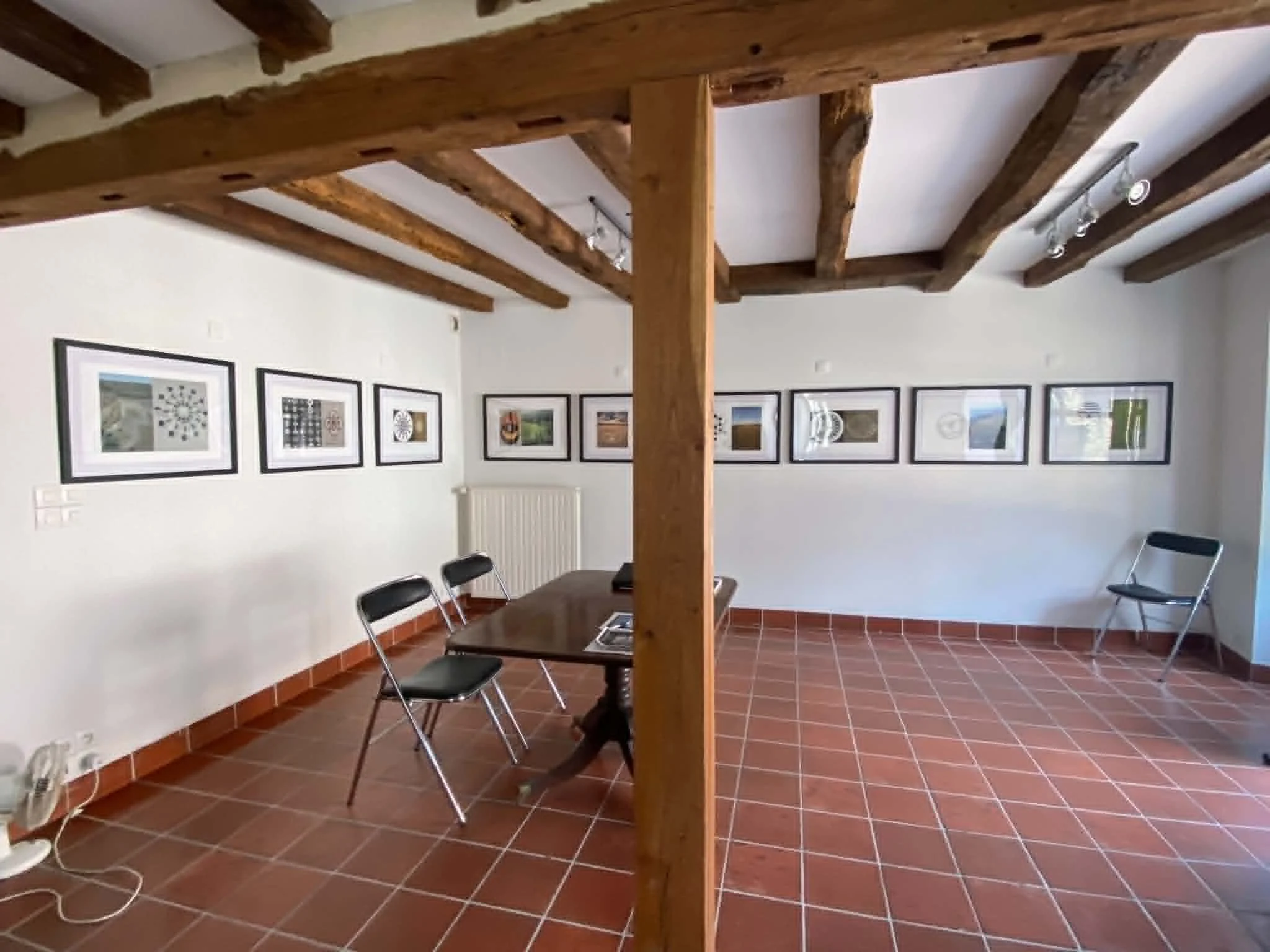
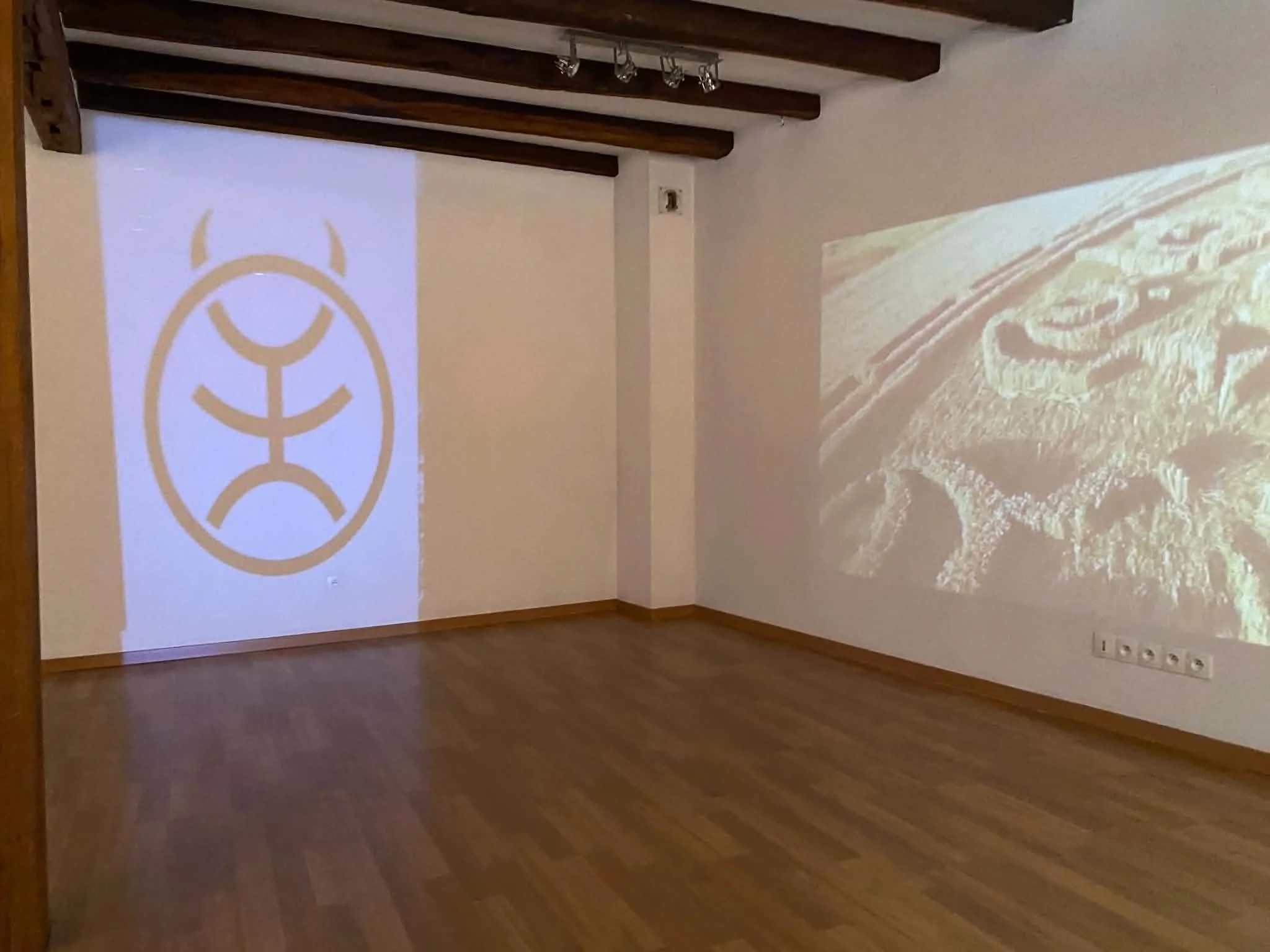
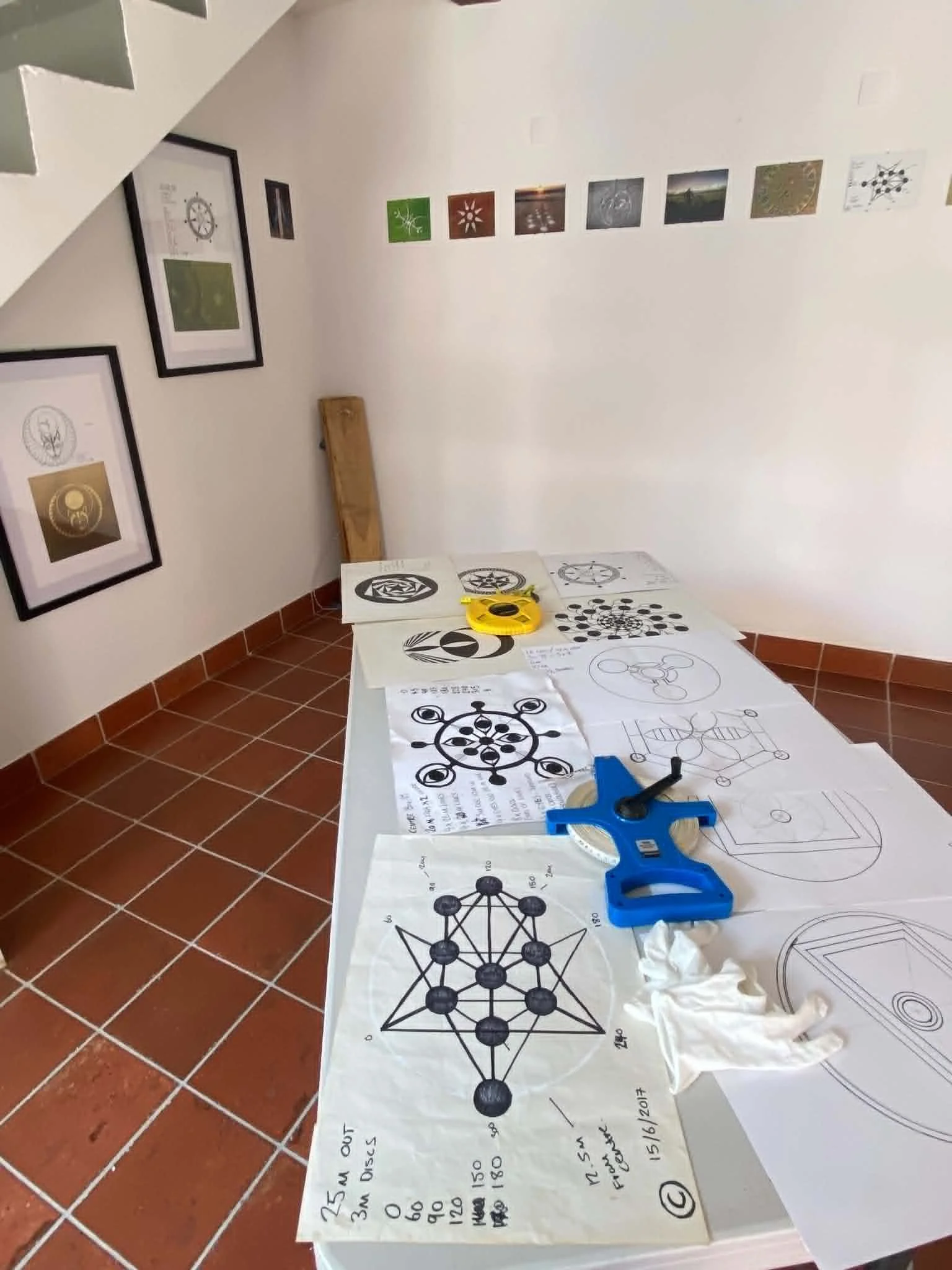
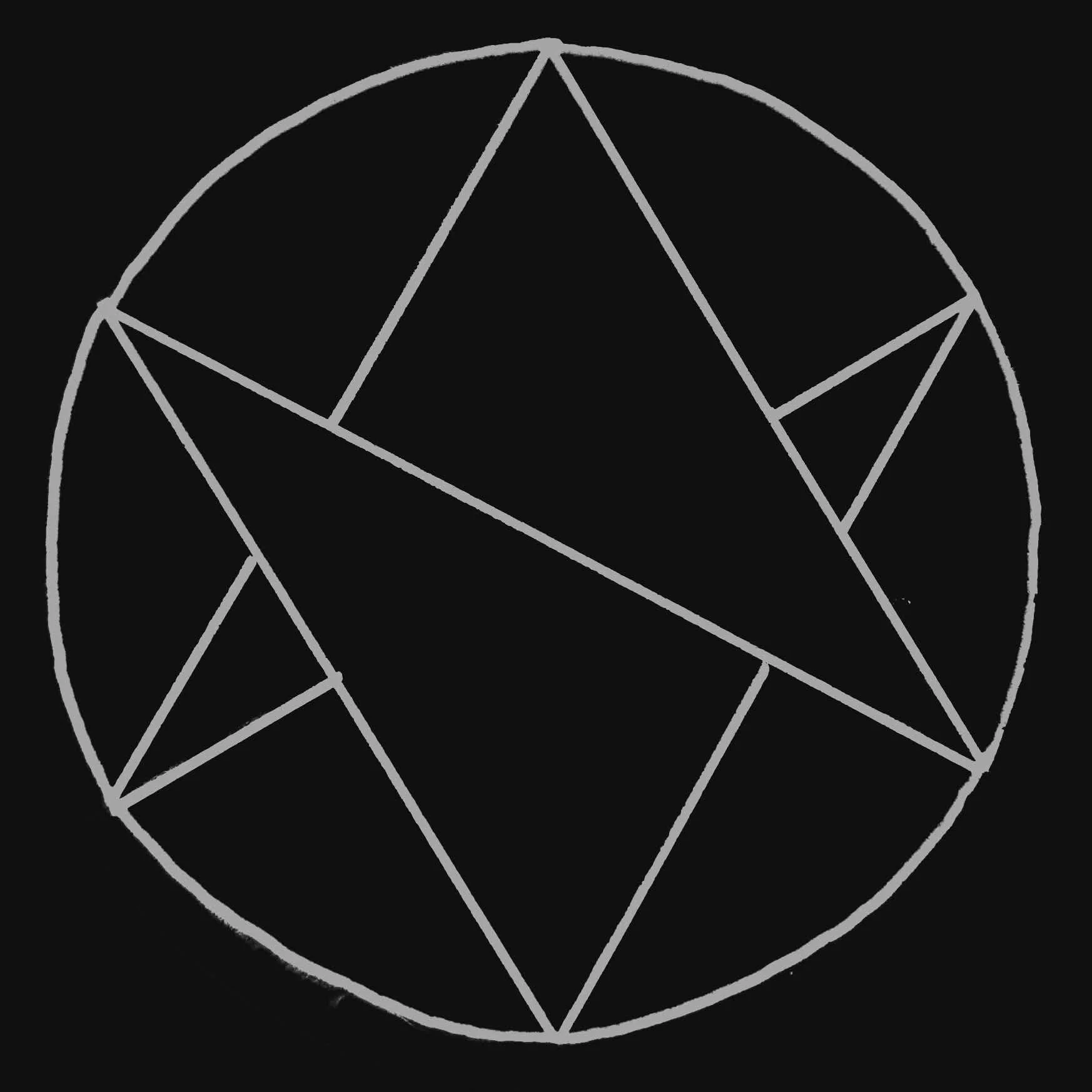
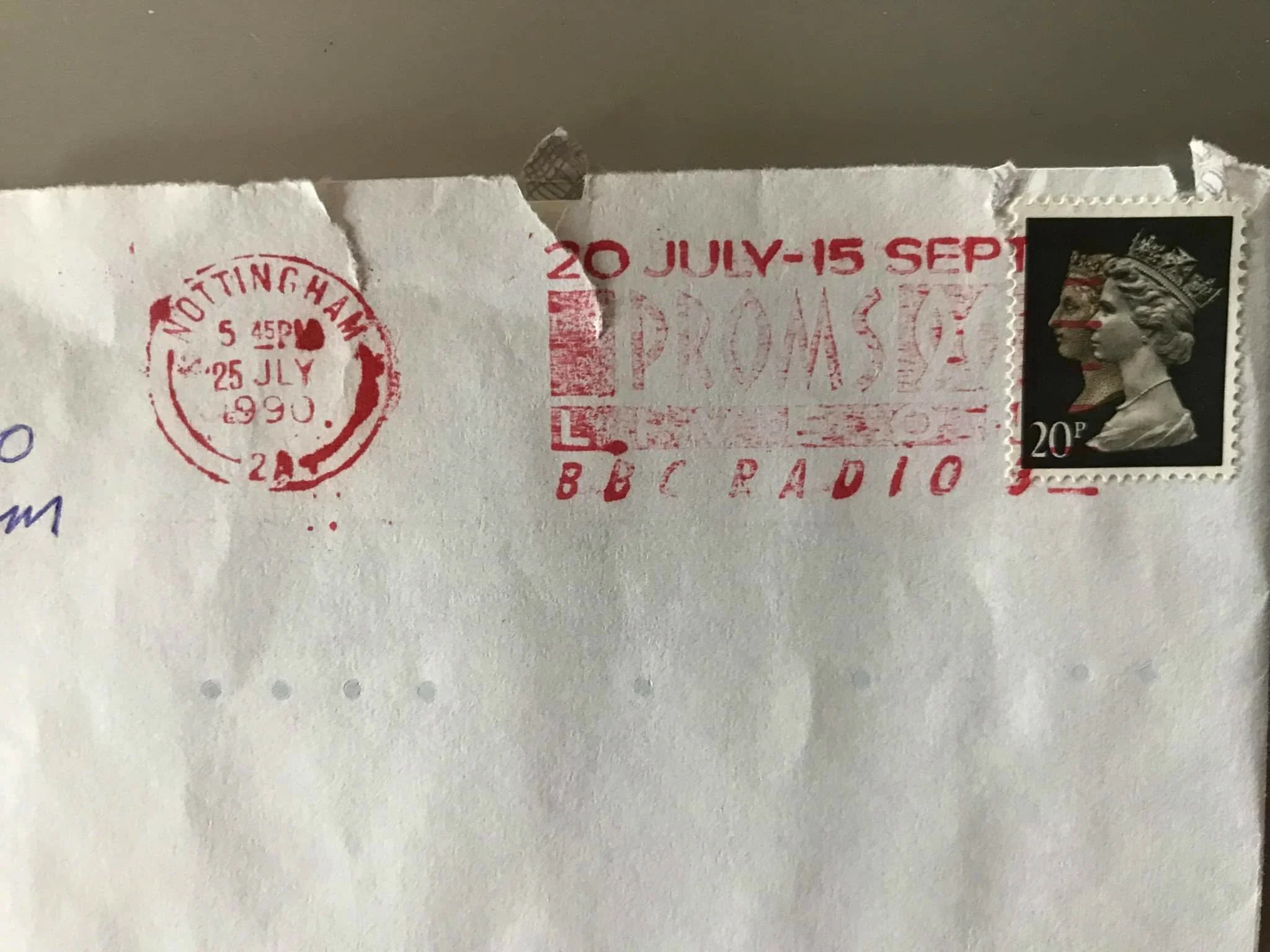
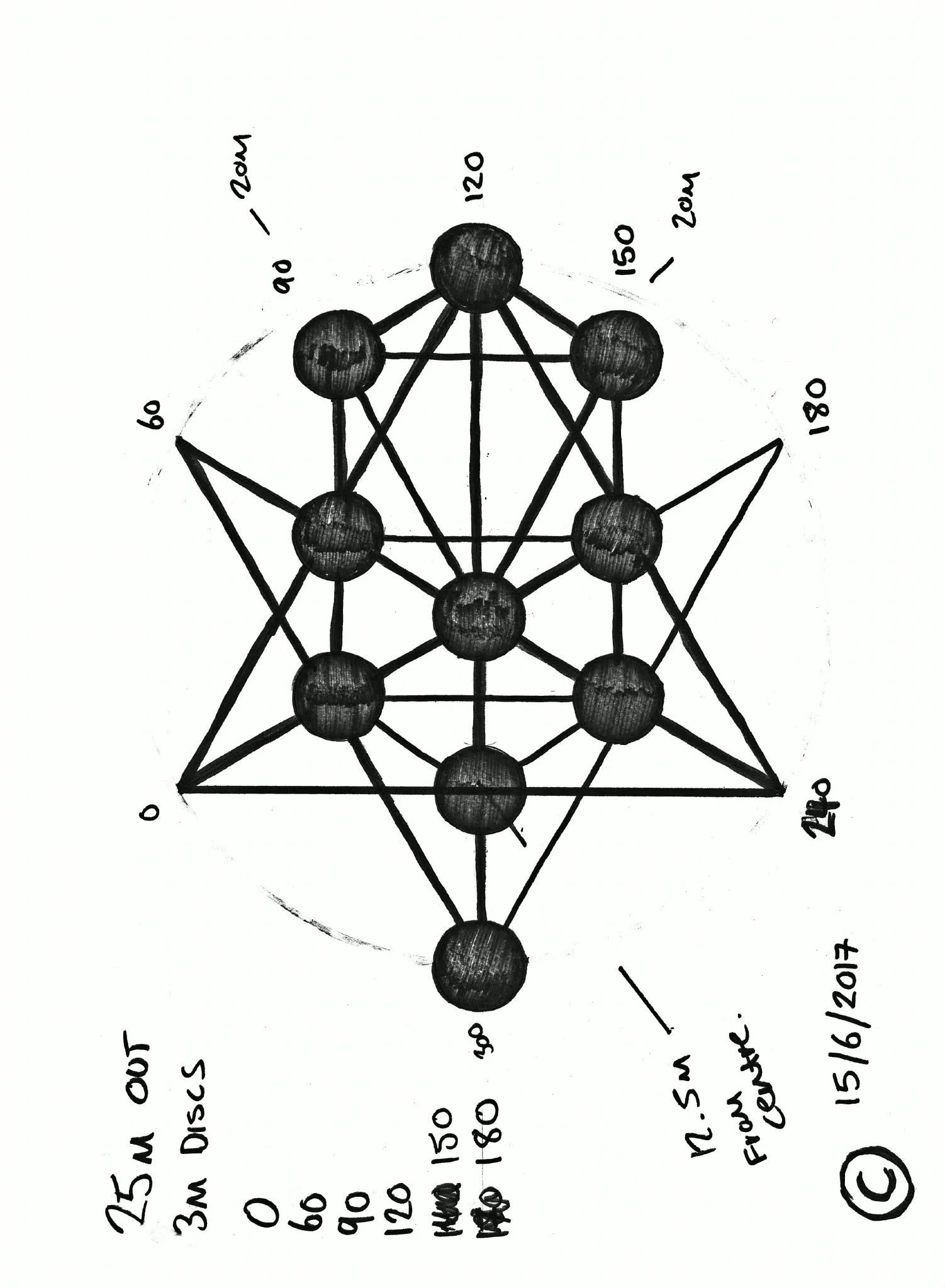
ANNETT a co-organisé une exposition rétrospective des œuvres de HINE, présentant des photographies aériennes, des vidéos de drone, des films, des podcasts, des créations et des méthodologies, ainsi que sa correspondance avec d'autres artistes majeurs, comme le KLF, qui défend l'éthique du copyleft et a réalisé son propre crop circle dans les années 1990.
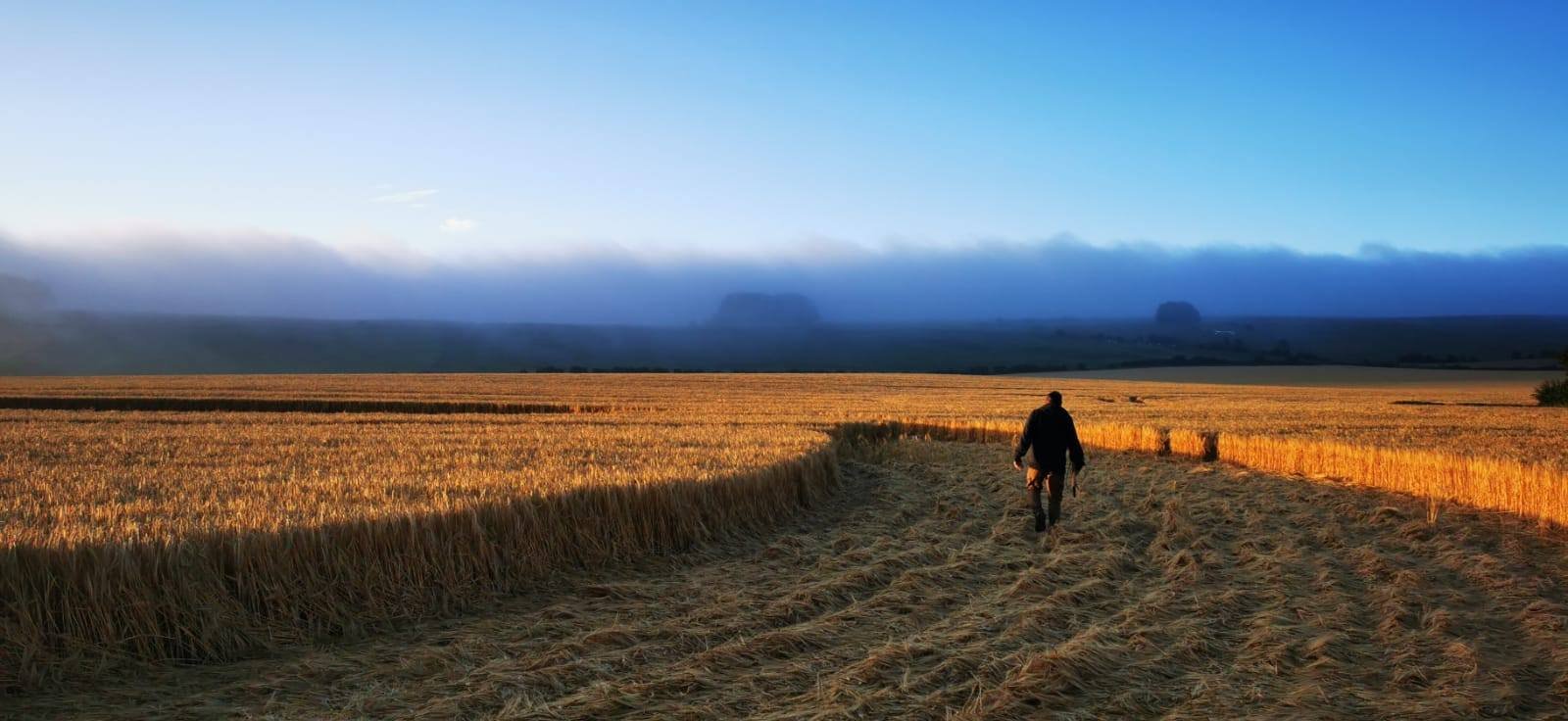
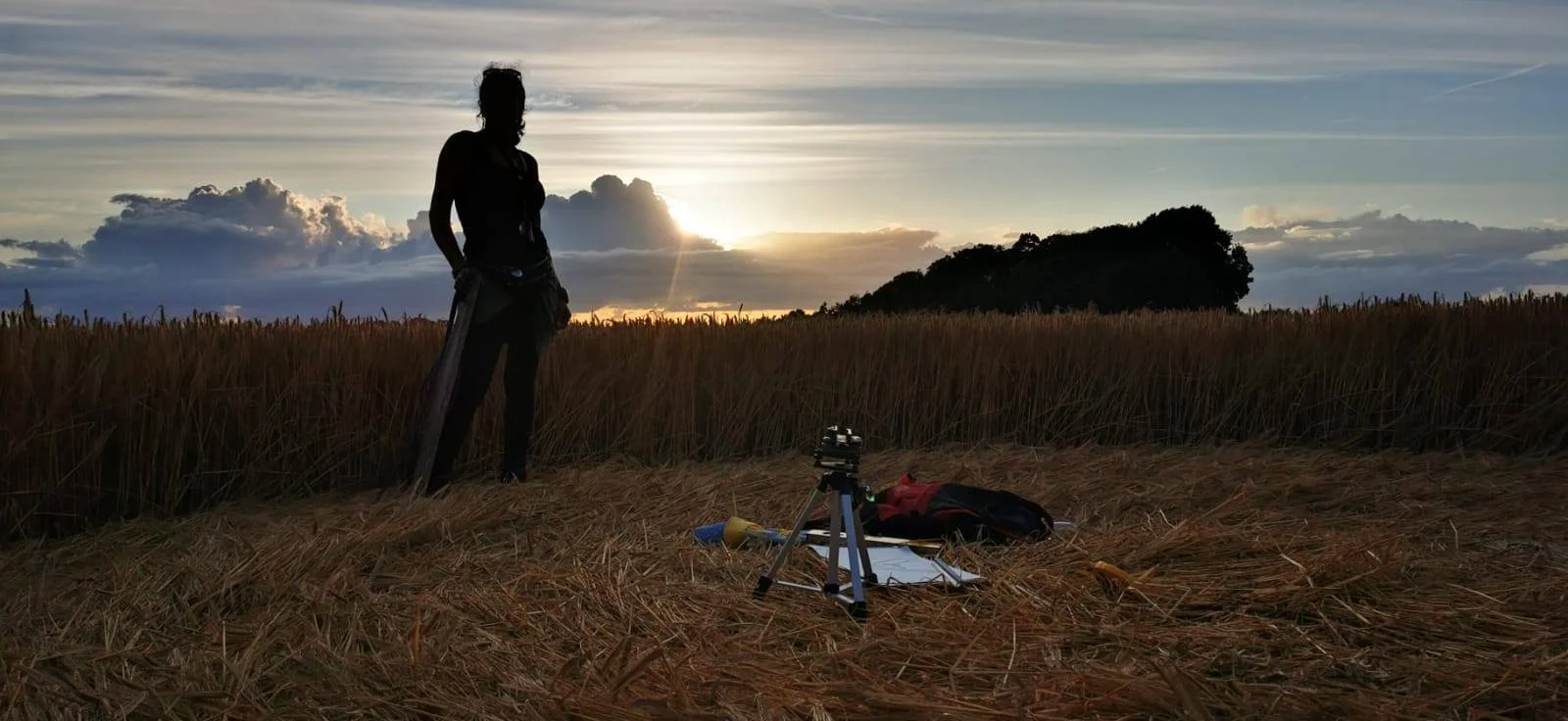
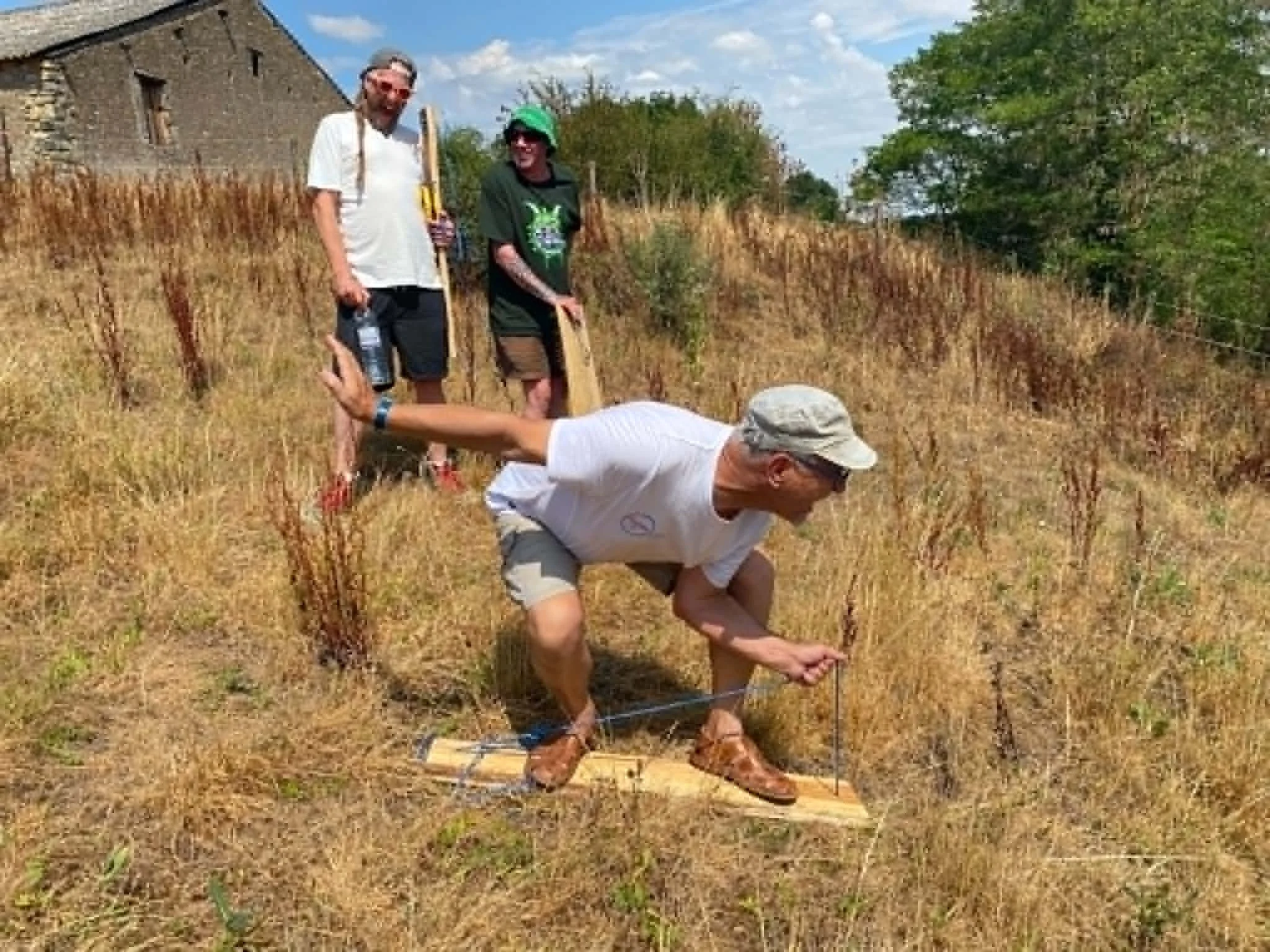
Malgré leur médiatisation, il s’agit fondamentalement d’œuvres terrestres réalisées par des artistes humains. Créées selon des techniques ancestrales – ficelle, planches de bois –, ces œuvres apparaissent du jour au lendemain dans les champs (souvent au grand dam des agriculteurs). Les croyants affluent sur les lieux pour s'imprégner de leur énergie, prier et accomplir des rituels personnels. Certains ont profité de l'occasion pour monétiser ces créations : t-shirts, mugs, affiches et reproductions se vendent comme des petits pains à travers le monde.
Le caractère clandestin et secret de ces œuvres a permis de tisser une multitude de mythes autour d'elles. Elles sont souvent exclues du canon de l'art contemporain, malgré des affinités évidentes avec des artistes tels que Goldsworthy, Long et Robert Smithson. Photographes et influenceurs du New Age ont tiré profit du travail d'artistes comme HINE, qui a consacré des décennies de sa vie à la création de ces œuvres, sans aucune compensation financière, sans droit d'auteur ni reconnaissance de leur paternité. Les œuvres de HINE sont présentes sur des sites web, des produits dérivés et dans des publications du monde entier, presque sans aucune mention de leur nom. Pourtant, il poursuit cette pratique étonnante et, grâce à son talent, son ouverture d'esprit et sa constance, a bénéficié d'une importante couverture médiatique pour ses œuvres. Il a collaboré avec des artistes de renom et s'est exprimé publiquement, s'attirant souvent les foudres de ceux qui veulent croire qu'il s'agit d'extraterrestres visitant la Terre et tentant d'entrer en contact avec l'humanité à travers ces vastes symboles.
Des tentatives sérieuses ont été faites pour contextualiser le genre. HINE lui-même a fait l'objet d'un reportage dans National Geographic et est une célébrité sur les chaînes internet chinoises, où des millions de spectateurs asiatiques suivent des influenceurs parcourant le monde pour filmer ses méthodes de travail. Il prend ces événements avec philosophie et continue de concevoir et de créer ces œuvres chaque été.
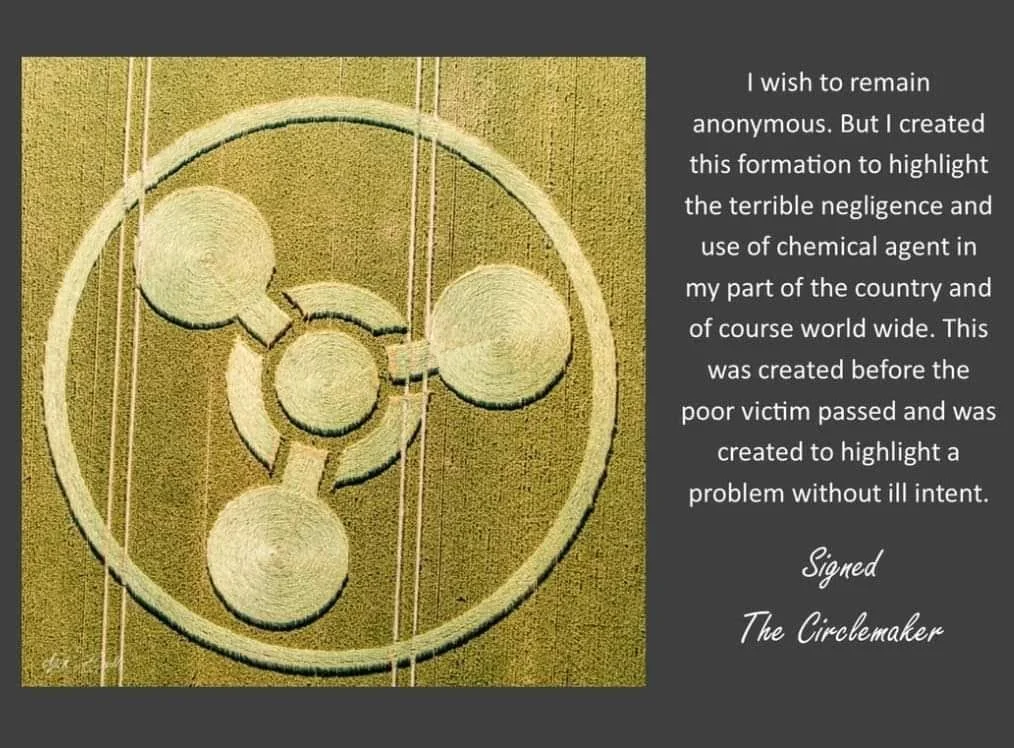
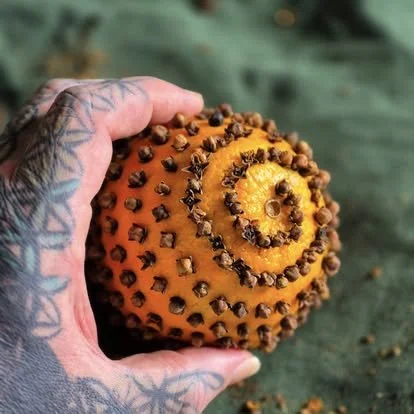
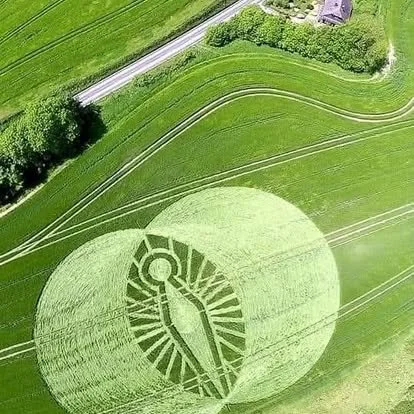
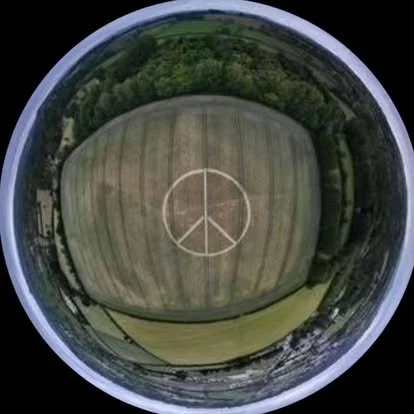
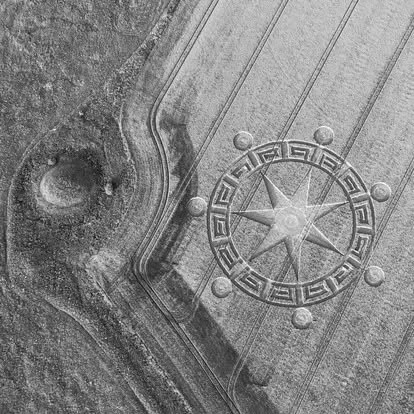
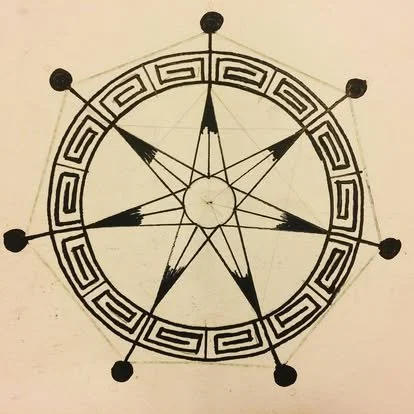
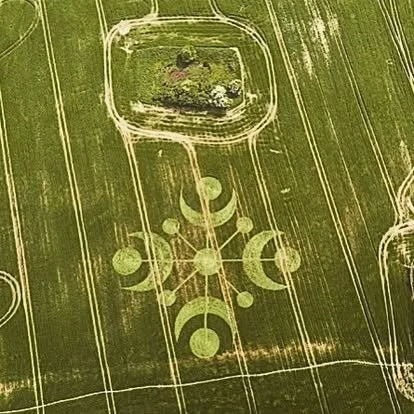
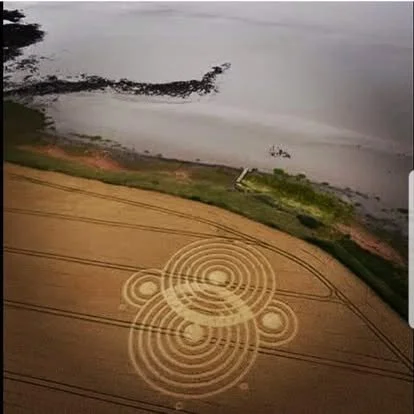
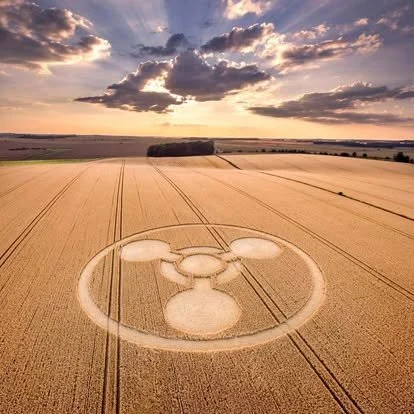
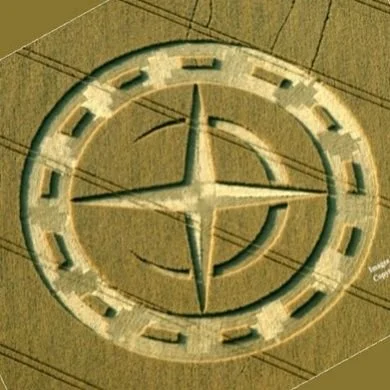
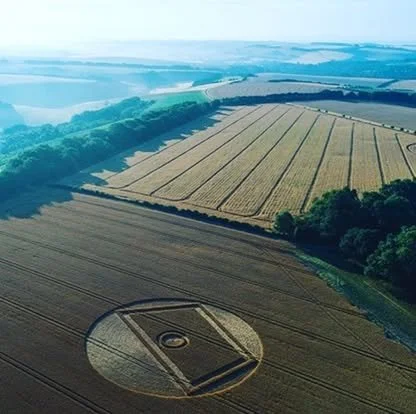
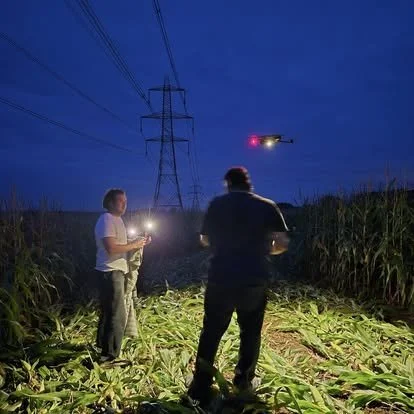
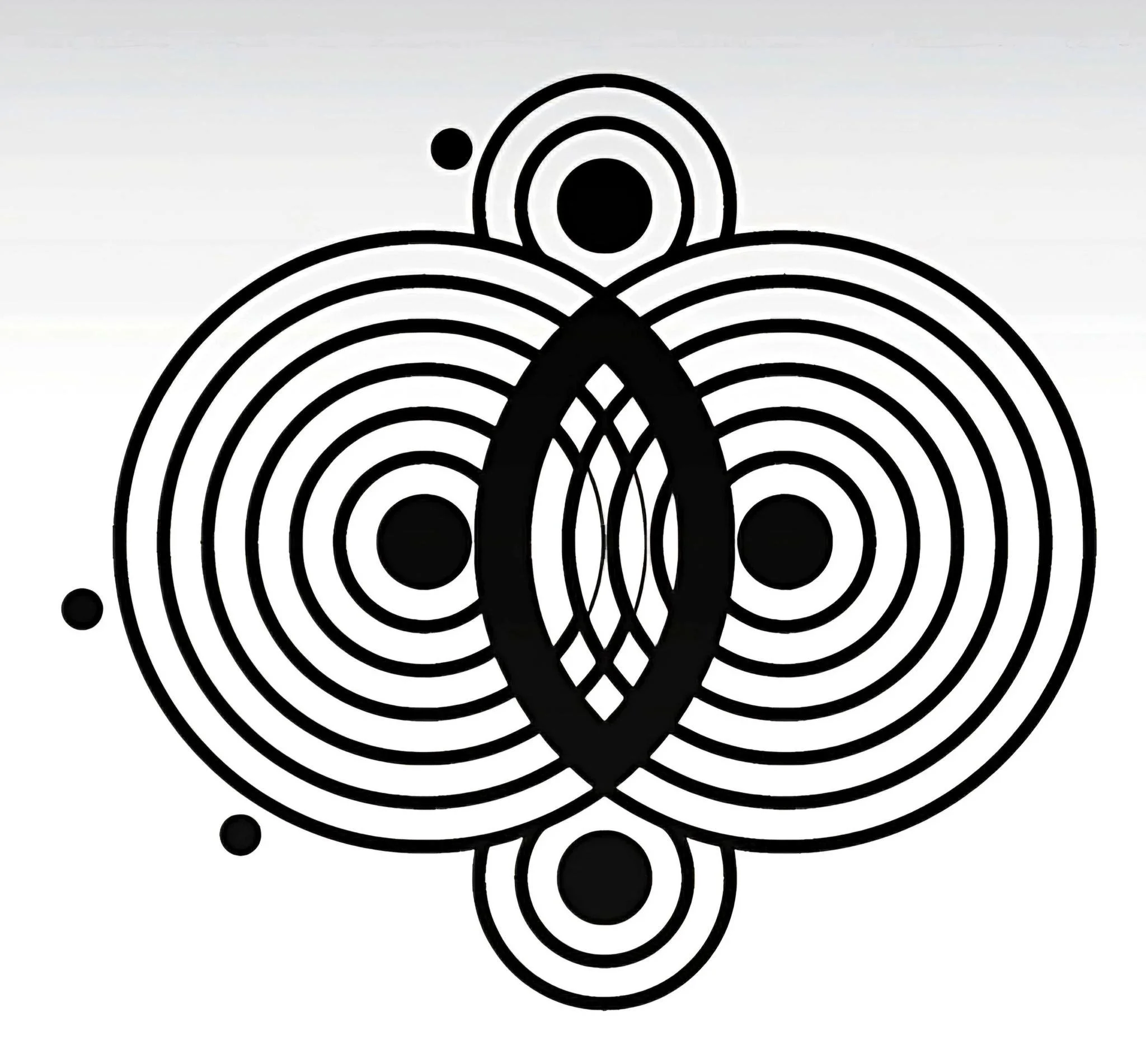
ATELIER MELUSINE & The Eco Museum Montmorillon, site Juillé are delighted to present a series of works by the artist Dene HINE.
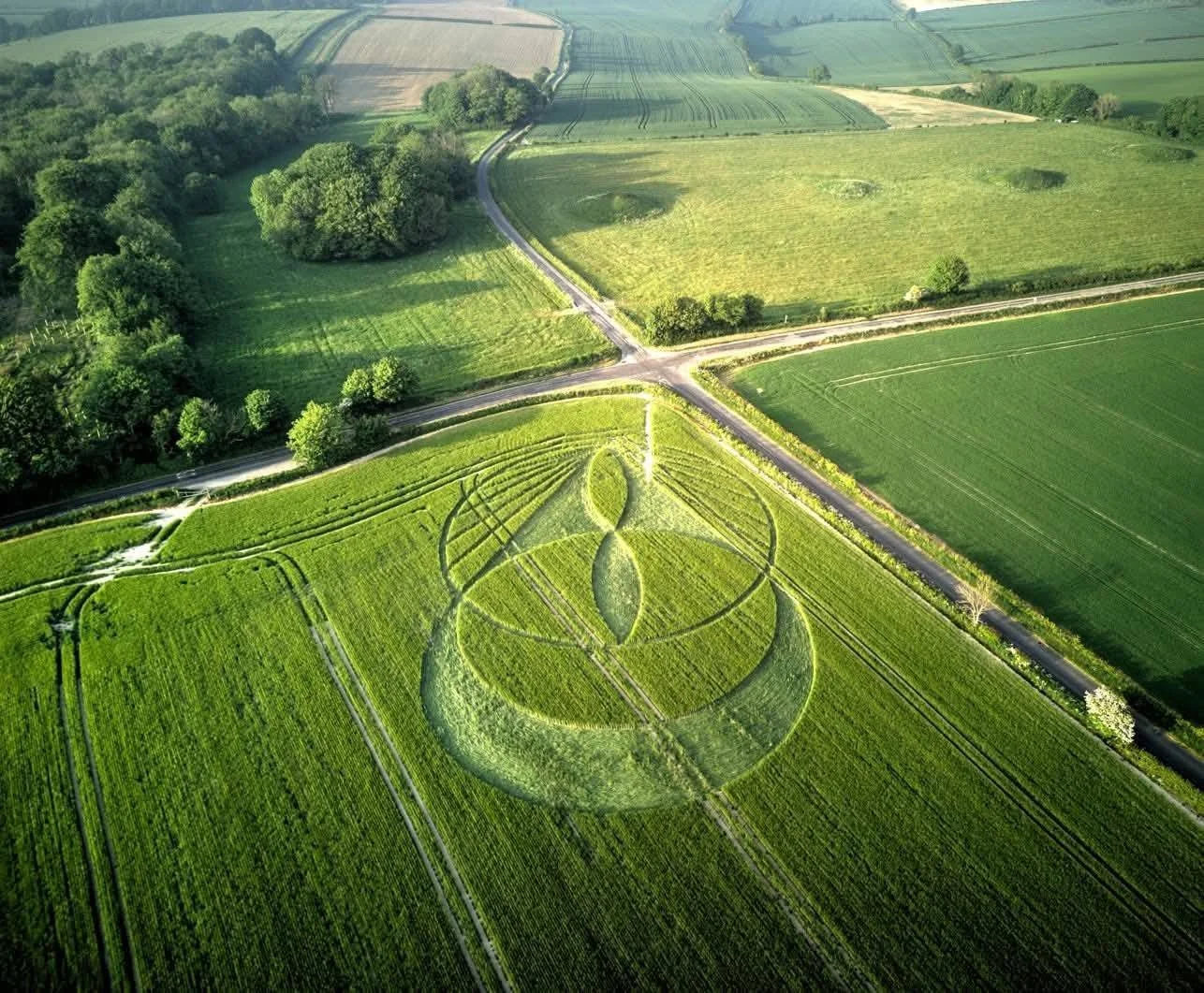
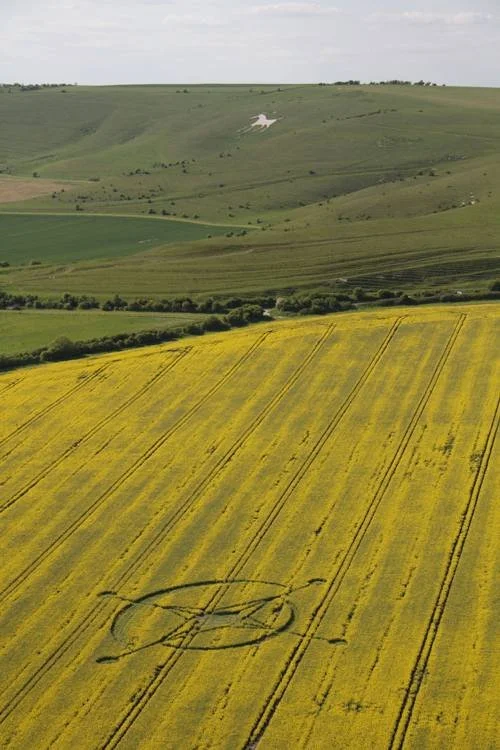
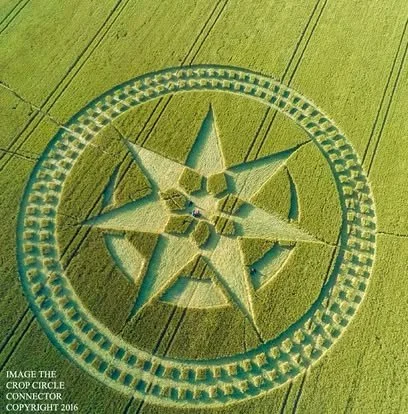
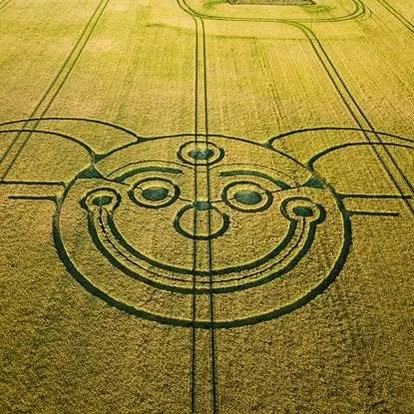
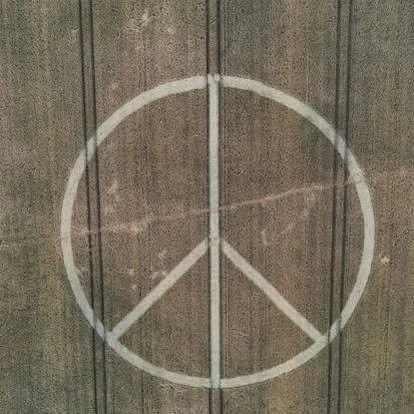
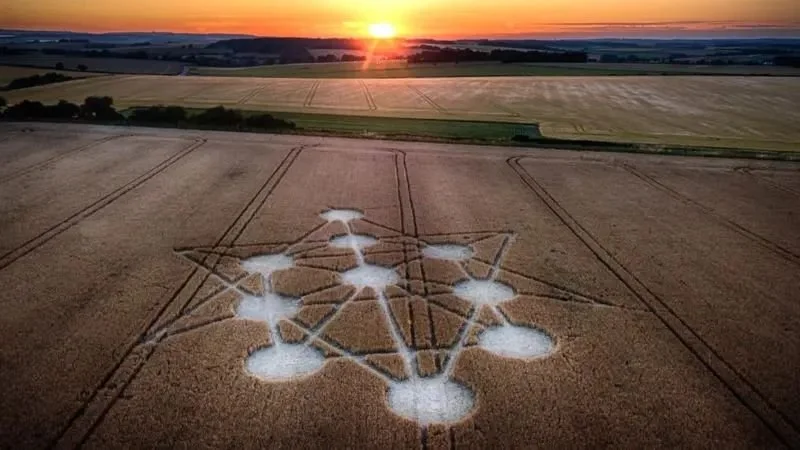
HINE, like his peers in the world of crop circle making, is deliberately anonymous in his work, having been the creator and co-creator of some of the most famous crop-circles internationally. These guerilla forms of land art are inspired by traditional Celtic agricultural traditions in the magical genre, but also environmental concerns about industrial farming and pesticides and dialogues about particular forms of publicly sited art works.
They could be described as huge rural graffiti projects and have driven massive cult followings, especially in the UK, USA and China where 100s of 1000s of people believe they are made by extra-terrestrials. The works have been included in the current conspiracy theories about Alien interventions, which have been the focus of disclosure (and non-disclosure) in the USA military, counter-cultural and political scenes for over 70 years, since the infamous Roswell incident.
Agroglyphs have come to be associated with specific places, Somerset in the UK (often around the famous mystical site of Glastonbury) area 51, and Whitesands in the USA, emphasising the occult associations which have sprung up along side the works.
Modern agrolgyphs came to the forefront of the media world in the 1990’s in the UK and are both loved and hated equally. There are museums dedicated to recording and promoting their otherworldly and symbolic qualities.
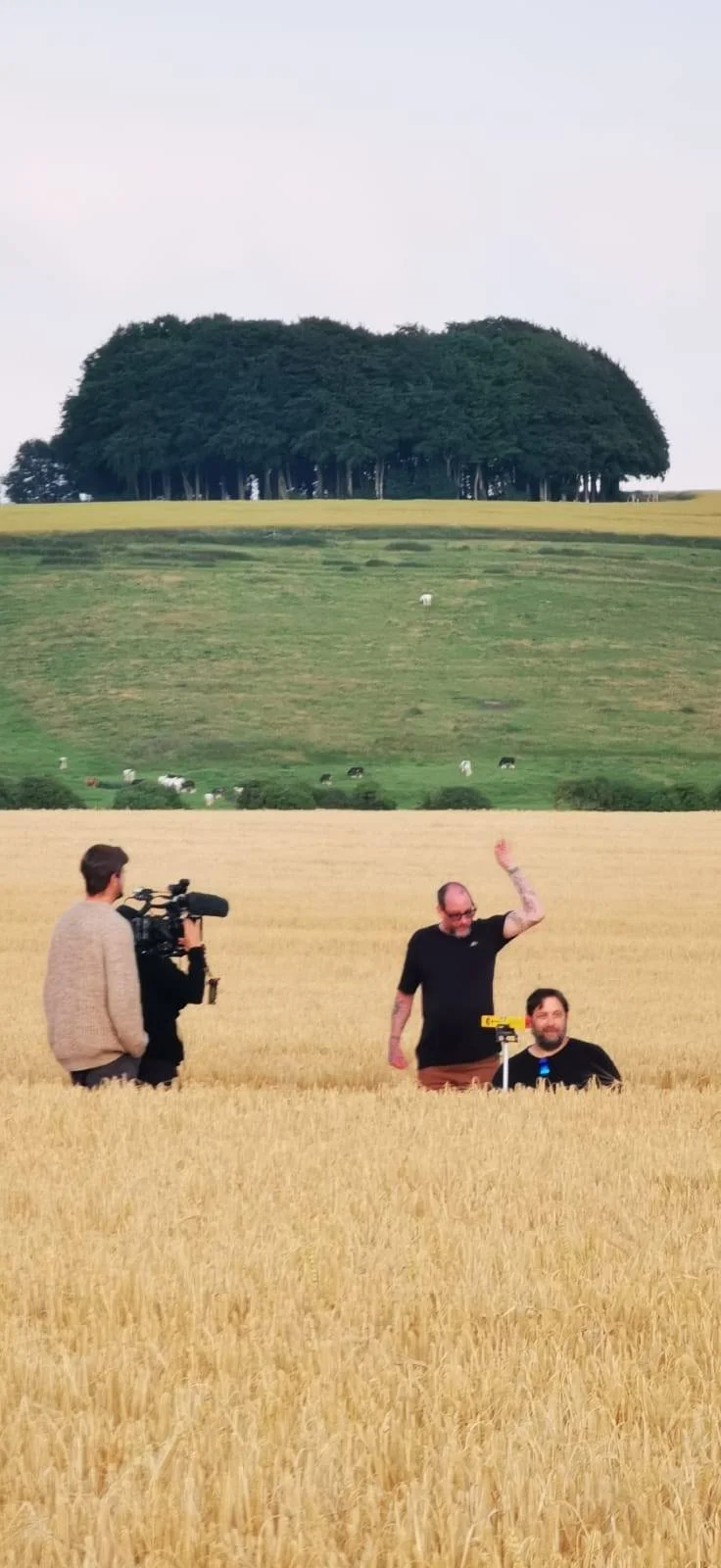
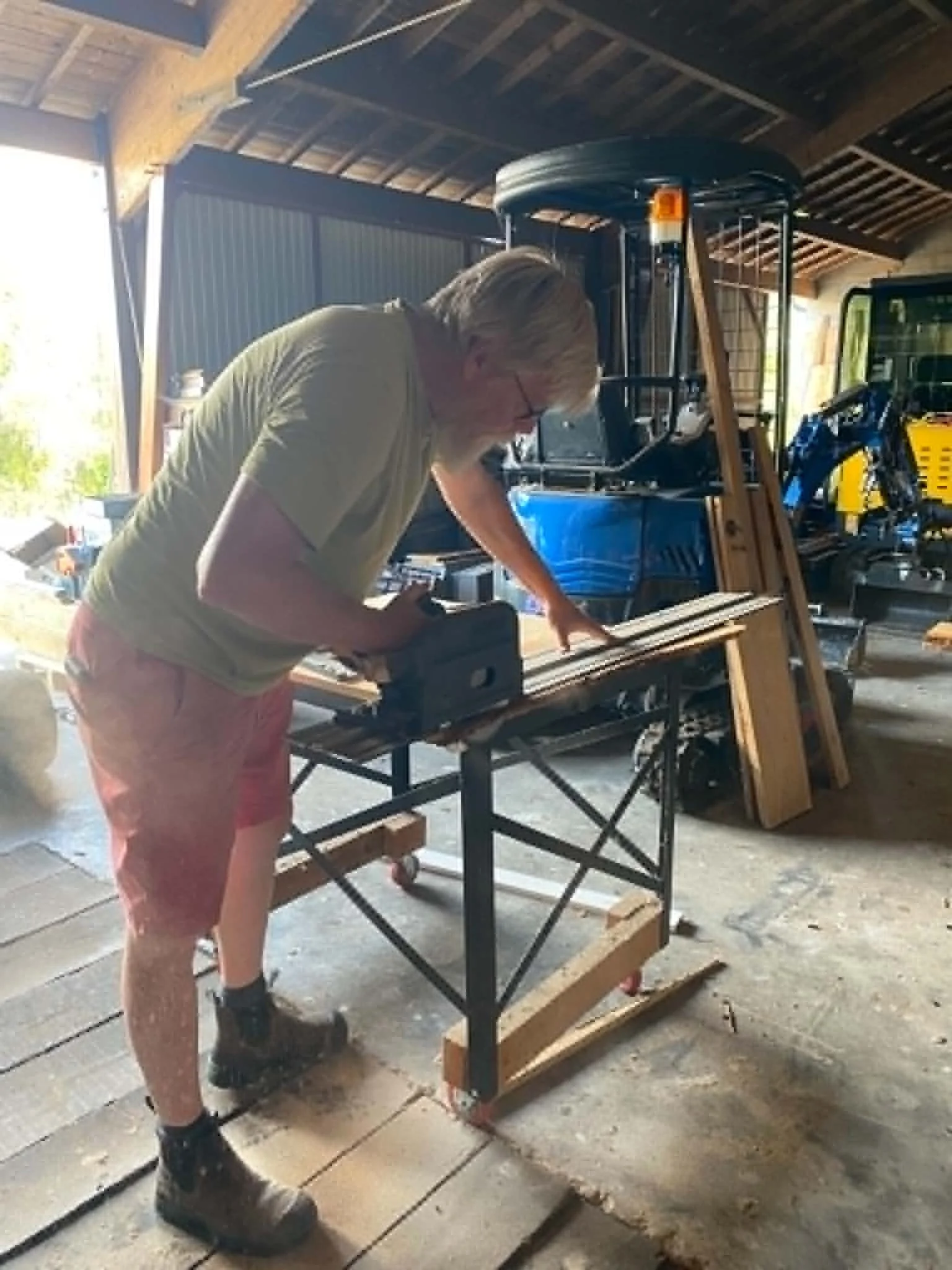
Despite the media emphasis, they are fundamentally terrestrial works made by human artists. Created using age old techniques, string and planks of wood. They appear over-night in crop fields (often to the fury of farmers) and believers flock to the sites to soak up the energy, pray and perform personal rituals. Others have taken the opportunity to monetise the works, there are endless t-shirts, mugs, posters and prints being sold globally.
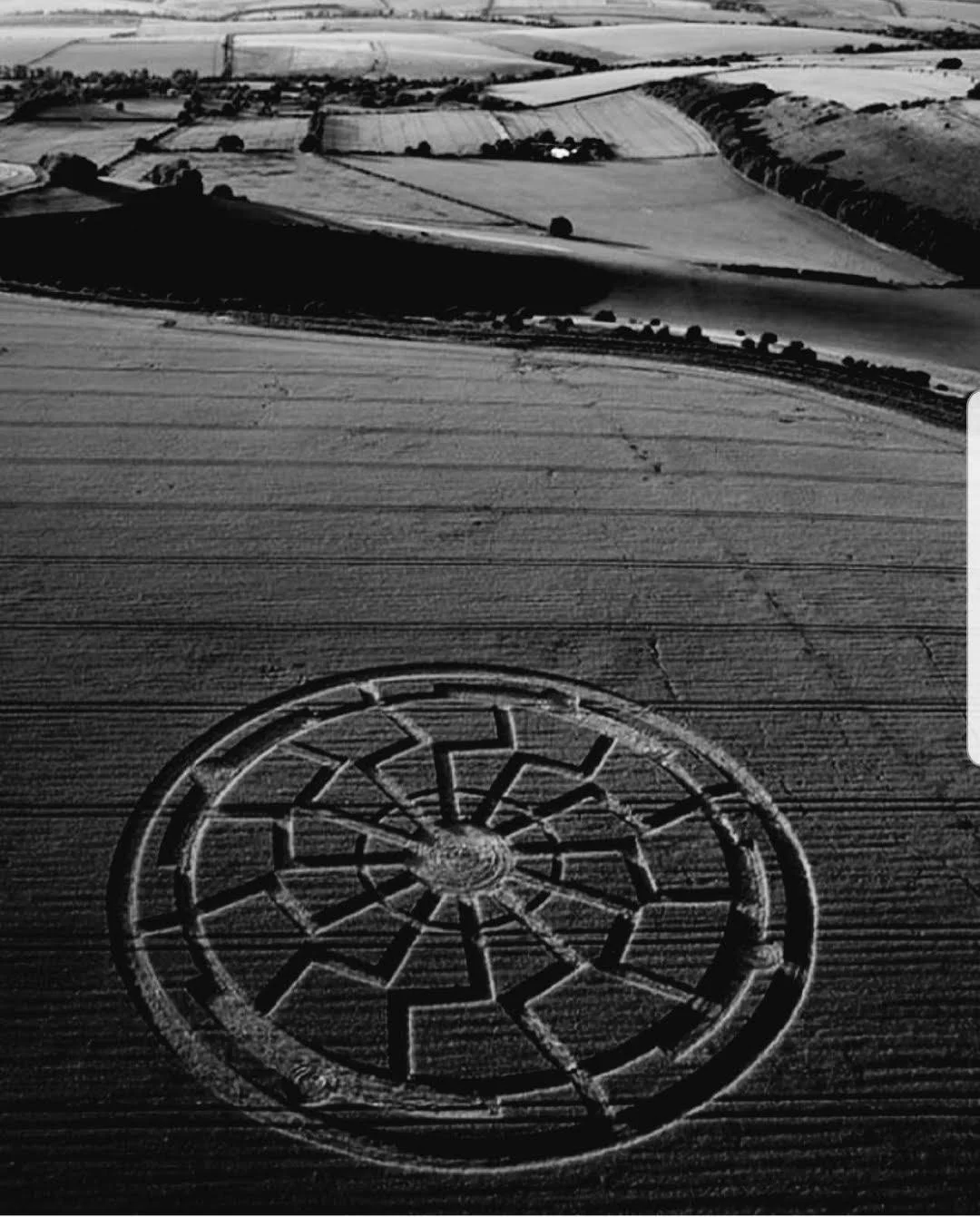
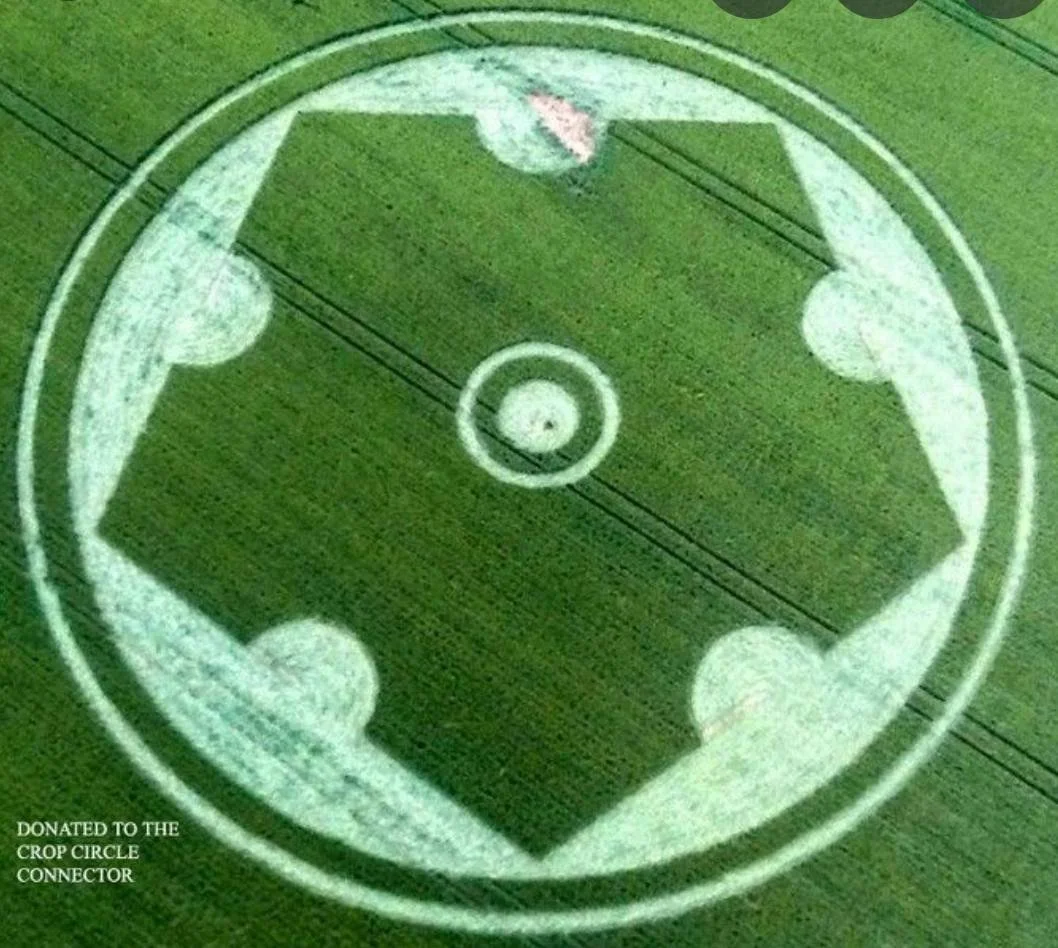
In response, ANNETT has co-curated a retrospective exhibition of HINE’s works, which includes ariel photographs, drone footage, films, podcasts, designs and methodologies as well as correspondence with other major artists, like the KLF, who champion the ‘copyleft’ ethos and made their own crop-circle in the 1990’s.
The elements of trespass and secrecy have made it possible to attach a myriad of mythologies around these works, which have often not been included in the contemporary fine art canon, despite the clear correspondences with artists like Goldsworthy, Long and Robert Smithson. Photographers and New Age careers pundits have profited from the works of artists like HINE who have devoted decades of their lives making these works, with no financial recompense, copyright or authorship attributed to them.
HINE’s work appears on websites, merchandising and in publications world-wide, with almost no accreditation. Yet, he continues on with this astounding practice and has, through his talent, openness and consistency received high profile coverage for his works, and collaborated with major artists and has spoken out publicly, often receiving vilification from those who wish to believe that it is Aliens visiting earth and trying to make contact with humanity through these vast symbols.
There have been some serious attempts to contextualise the genre, HINE himself has featured in National Geographic and is a celebrity on Chinese internet channels, with millions of viewers from Asia watching influencers fly around the globe to film his working methods. He takes these events in his stride, and continues to design and create these works, every summer.